I’ve been busy the past few months developing a new service offering.
Introducing…
Every few weeks I will send a post from The Waste Not Coach that will give you an actionable tip on how to reduce waste. This site, jenthilman.com, will continue to be my author site and where I will share my stories and books as they come out.
Speaking of books…
As a subscriber to my blog, you will receive a FREE PDF copy of my new book, Shut Up and Live Green: How to Reduce Waste for a Healthier Planet. It should be out by the end of 2023 and I will send a link to all my subscribers so you can download the PDF version, or it will be available for purchase on Amazon. I hope you will find it a great enhancement to the tips I will send from The Waste Not Coach.
Why The Waste Not Coach
If you are like many people, you may find it hard to reduce waste with your current lifestyle. I get it. I’ve been there. It’s taken me years to eliminate wasteful habits, and I’m still working on it. It often feels like the world (okay, I’ll say it… big business) is working against us. If you find it hard to practice the waste reduction tips I provide, consider hiring a life coach to help you build better habits. That is what The Waste Not Coach can do for you.
I hope you will continue to subscribe and work on reducing your environmental footprint so we can all enjoy a healthier planet.
4Rs Tips for June 25 – How to Plan a Climate-friendly Vacation
Summer vacations don’t have to be Earth-shattering – make them Green!
Everyone needs a vacation sometimes. Even if you love the work you do, you need time away from it to decompress and relax. It’s healthy for you. But is it healthy for the planet?
How you travel and your actions when you’re doing it make a big difference in how much it harms the environment. But first…
Call to Action for July
In line with sustainable vacations, is building plastic-free habits. Summer is when a lot of people travel and it’s when single-use plastics waste is at its peak. Join the Plastic Free July campaign and learn how to skip single-use plastics. Take their Pesky Plastics Quiz to learn where these plastics show up in your life.
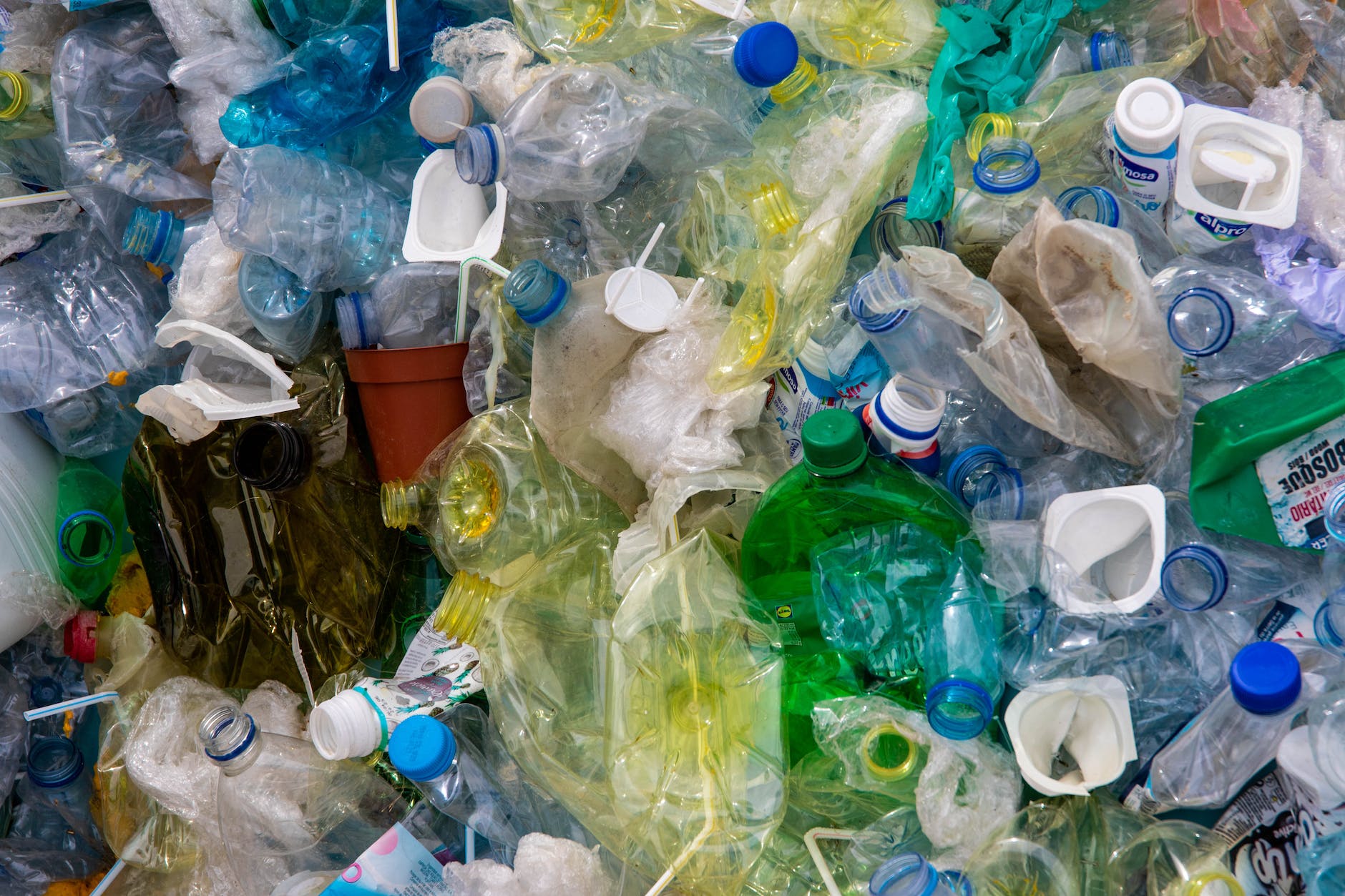
The top four single-use plastics we humans dispose of are…
And we tend to use these a lot more when traveling and on vacation.
You might think, “Vacation is the last place I want to think about my trash.” Actually, for a couple of reasons this is the best time.
When you’re not on vacation, you get into a routine. You have less time to think about plastic waste while you’re in the busyness of your week.
You’re going to think more clearly about waste habits when you’re removed from the environment where the habits happen.
Spending quality time with the family is an opportunity to talk about how to eliminate plastics. Discuss ways to make changes back home and during vacation.
Most kids are learning about sustainability in school and will have input.
Before you plan a vacation, consider the tips below on how to reduce the waste and emissions that go with it.
How Are You Going To Get There?
Here are ways to enjoy your time off AND reduce anxiety over the environmental impact of your vacation. While we can’t avoid it all, there are plenty of ways we can avoid some of it.
Use Lower Emissions Transportation
The different ways we travel each have their own challenges, but if we pay attention and work on them we can make them less impactful. In general, this is the best to worst form of travel when it comes to emissions.
Train travel causes the least amount of carbon emissions and should always be your first choice, if possible.
Cruise ships emit more carbon than any other vehicle. Like 3 – 4x as much. Going on a cruise is also one of the hardest places to reduce your waste and disposable plastics use.
They won’t let you bring your own snacks in reusable containers on this trip.
When planning your next vacation, try using a carbon footprint calculator like this on from Conservation International. This is a good way to plan for making the least amount of impact and enjoying your vacation even more.
Before you select a travel company (agent, airline, hotel, transportation, etc.) check and see if they are a certified B Corp. This is a certification that verifies a company is acting responsibly and sustainably.
When You Must Fly, Do This
If your destination requires you to fly, there are ways to reduce the impact of your air travel.
Carry a reusable water bottle. It has to be empty when you go through security, but most terminals have water stations on the other side to fill it up.
Pack your own meals and snacks in reusable zip bags or containers.
Fly direct – the highest amount of carbon emissions happen during take off, so the more times you go up… the more damage is caused to the environment.
Pack light – because a lot of emissions happen during take-off the weight of the plane influences this. If you pack things you don’t need or won’t use, why do it?
I use to overpack. I would carry books I wanted to read but never did (I was on vacation!). I would pack twice as many clothes than what I would wear (I wanted options!). These were all terrible excuses for me to carry twice as much weight as I needed. I didn’t know back then that these poor packing habits were increasing my carbon footprint.
When you can, book the cheapest flights, not the most convenient. The more expensive seats are on high-demand flights. If those sell out, airlines will often add another flight to meet the high demand. This increases per-person emissions from air travel.
If renting a car, spend a little extra and rent a hybrid or electric vehicle. Most rental car companies have full hybrids that don’t require plugging in.
When On The Road, Do This
Road trips can be fun and a much cheaper way for a big family to travel. With a bit of planning you can lower the impact so your time on the road is more eco-friendly.
Get your car maintenance done ahead of time.
Regular oil changes keep your engine clean and running efficiently.
Check your tires regularly.
Low tire air decreases your fuel efficiency.
Pack snacks in reusable containers.
Pack cans of soda and juice in a cooler. Avoid plastic beverage containers.
Don’t speed. On the highway, your vehicle is more fuel efficient at 55 mph.
You waste gas and increase your carbon output when you drive too fast.
Reduce Waste While On Vacation
While some disposables are unavoidable when traveling, like when the only food available is carry-out or drive-thru, even when you eat at these places you can feel good about reducing waste with some basic practices.
Refuse the straw.
Carry reusable straws so if you go to a drive-thru you can say “No thanks, I have my own,” when they offer you a straw. That’s what I do and it feels great!
Skip the bags.
Bring your reusable shopping bags on vacation and use them everywhere.
I have the Baggu Bags that fold up in my purse so I can use them everywhere.
Get reusable coffee cups.
Single-use coffee cups do not recycle. Even if you think they’re paper, they’re coated with plastic so that paper doesn’t melt. There’s no such thing as a recyclable carry-out beverage container… only reusable.
Beyond taking the Plastic Free July pledge, consider some of these other actions that can help our planet heal.
We are at a crucial point in the life of our oceans. Right now it’s important we get educated on issues like drilling in the deep sea bed being pursued by big corporations. Tap into learning about how to protect our oceans and support a healthier life for us all at Mission Blue.
Nearly one-fourth of greenhouse gas emissions come from transportation and waste is a major contributor to climate change. We need to look for ways to tackle both of these problems, whether it’s in everyday life or while we’re on vacation.
Earth needs a vacation from the damage we’re doing to the environment.
With Much Gratitude
That’s it for this issue. I hope you found it helpful.
If you like this post, please forward it to every earth-friendly human you know. If you’ve been forwarded this post, you can subscribe by signing up for my mailing list below.
4Rs Tips for June 11 – Is Fair Trade Eco-Friendly?
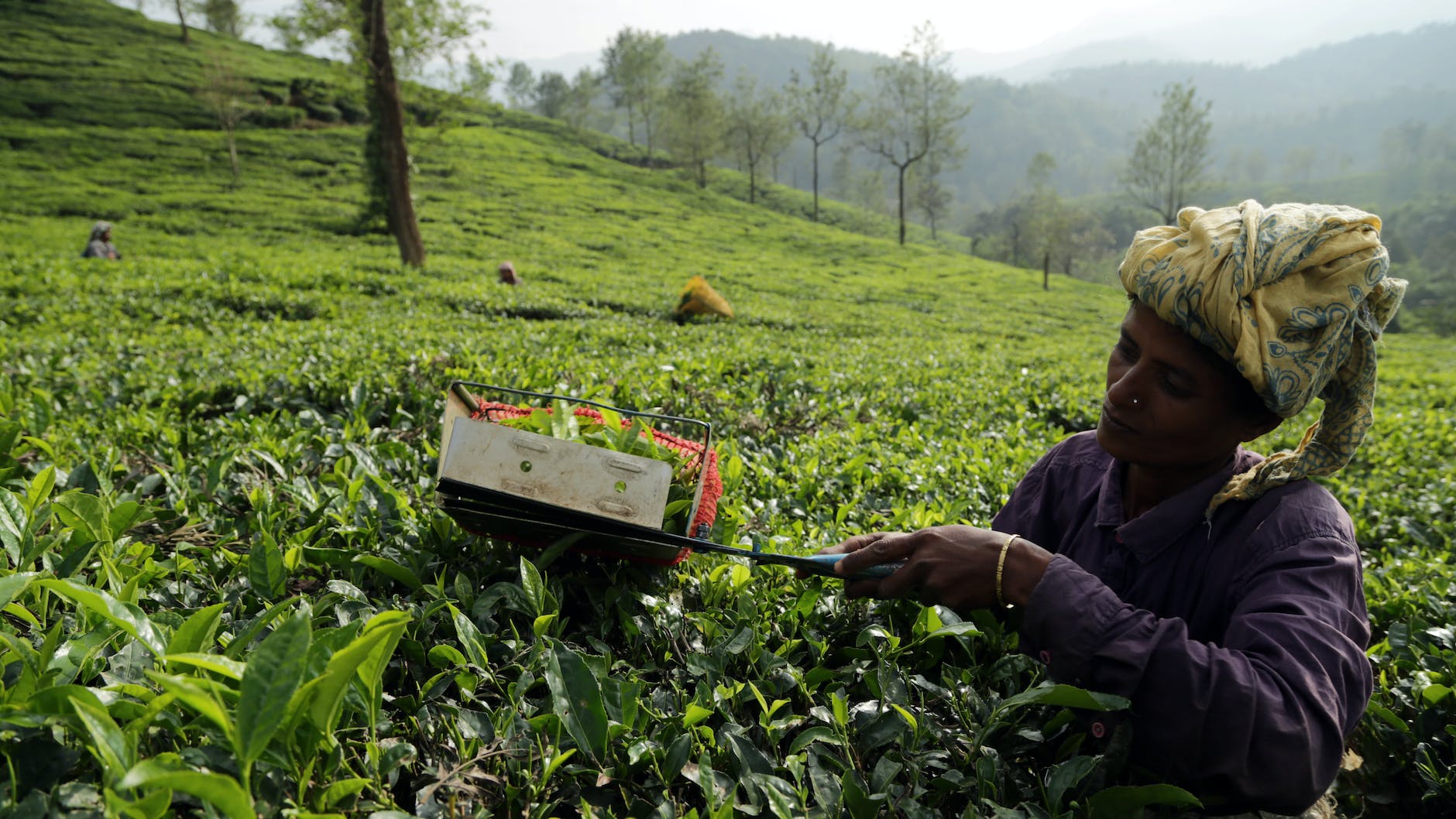
Fairtrade does more than pay workers a living wage, it supports a healthier planet.
It can be hard to connect the dots between how paying a living wage and caring for workers relates to saving the planet, but there are a number of reasons that Fair Trade means Sustainable Trade. Some you may not think about and some are directly related to improving our environment.
Fairtrade makes a difference to us and our planet
Many people think that fair trade is the prevention of human exploitation, but it’s a lot more. It’s also the prevention of Earth’s exploitation. It’s about living on the planet in healthy ways that nourish our bodies and souls.
When humans are aligned with nature we are healthier, mentally and physically.
MINOLTA DIGITAL CAMERA
When we buy fair trade, we support healthier lives for everyone, not just the people who grow and harvest crops or make our products.
There are environmental requirements that are part of belonging to fair trade organizations and getting certified. These help fight climate change by mandating….
Their Fairtrade Climate Standard shows farmers how to reduce climate impact by planting trees and reducing emissions. It helps them earn carbon credits for their efforts.
Companies all over the world are buying carbon credits; it’s a big market. This program gives small growers an opportunity to participate in this marketplace
Beyond the environmental benefits of fair trade, there is also the human factor. We know that when people have to struggle to survive there is more stress in their lives and in the world. They are less likely to think beyond their front door, and rightly so. Their biggest concern has to be where their family’s next meal will come from.
Once people have full bellies and opportunities for growth they’re more likely to think about the world outside and long-term goals, like will the environment be healthy for their children and grandchildren. They are happier and healthier and they want to fight for that.
How to know if you’re buying fair trade
I don’t know about you, but I’m often skeptical about labels. Maybe it’s all those years of believing in the recycling triangle only to find out it didn’t mean items would get recycled. So I’ve done a little digging on whether buying a product with a fair trade label really helps.
Fairtrade America has a helpful article to better understand Fairtrade labeling.
Though fair trade labeling is not regulated, the organizations above that certify growers and producers are strict about the use of their labels, and studies have shown their programs are effective. If we get familiar with these labels we’ll feel good when we recognize them on a store shelf because we’ll know we’re buying fair trade.
Using Fairtrade International’s Product information page you can learn how to buy coffee, produce, textiles, and even gold that are made fair and sustainably. Making these buying choices can significantly reduce your daily impact on the planet and improve your health through better eating habits and a cleaner environment.
Give it a try. Maybe you’ll find a brand you like better than the one you currently use.
Take Action – Use Your Buying Power
Skip a little time on social media each day and do ten minutes of research to find brands that sell fair trade.
Look up the brands of products you have in your cupboard, like coffee, nuts, or cocoa.
Use the sites listed above to check up on your brand and maybe find a new one if your current one isn’t fair trade.
Bookmark websites you find helpful.
Did you find good info on your current or new brand? Save the page. You’ll want to use it again.
Don’t beat yourself up if the brand you just bought turns out to be terrible for people and the planet. Look at it this way, you took the time to check it and now you know better. Use it up and next time buy a brand that’s fair trade.
Find sites that help you research what brands use fewer pesticides and are better at soil and water management.
Buy from local independent farmers – If they don’t say they use sustainable practices and grow organic, you can ask.
You can’t do this when you buy produce in a grocery store.
Learn more about fair trade and sustainability from Fair Trade Campaigns and their educational brochure. Share it with friends and family.
Why It’s Important
Using and abusing our planet is as bad as exploiting a human being and both actions have terrible consequences to us, the living creatures of Earth.
It’s time we recognize our buying power and how a little effort on our part to buy products made the right way, in a fair and eco-friendly fashion, has huge consequences for the environment and our health.
Critical to your mental health
Taking action to support the planet and fight climate change is the best way to fight climate anxiety, which is on the rise these days. So shopping sustainably and fair trade is good for your mental health.
With Much Gratitude
That’s it for this issue. I hope you found it helpful.
If you like this post, please forward it to every earth-friendly human you know. If you’ve been forwarded this post, you can subscribe by signing up for my mailing list below.
4Rs Tips for May 28 – What Is Fast Fashion and Why We Need To Avoid It
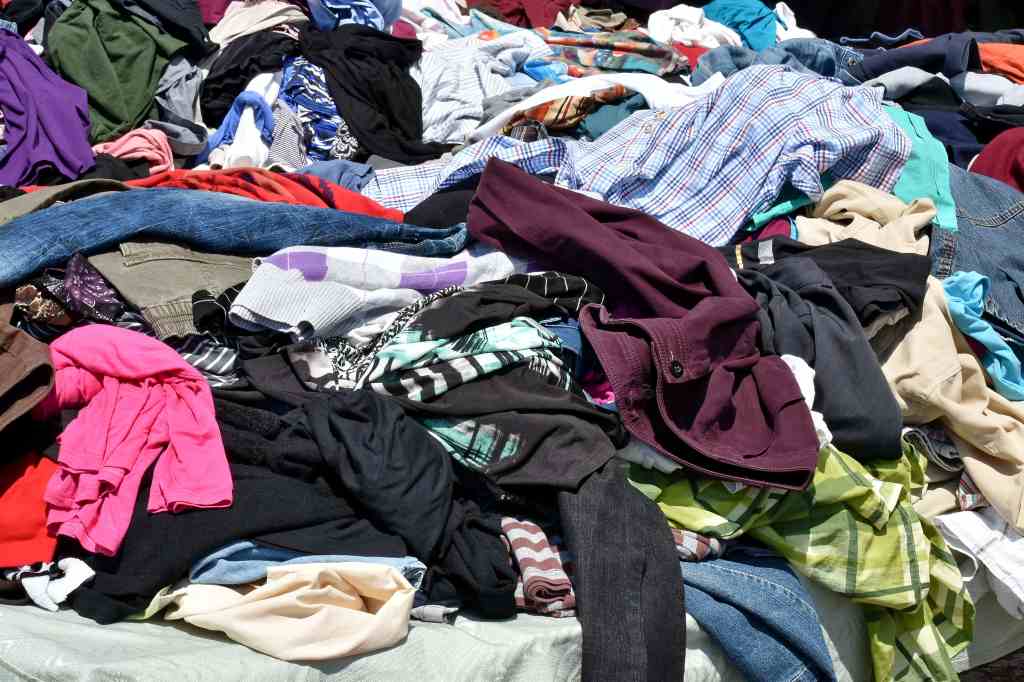
Fast fashion and the apparel industry cause about 10% of emissions and a lot of other environmental damage.
Fast fashion takes over
It crept up on us; a form of waste that barely existed when I was a kid or even a young adult… clothing. I always thought clothes were meant for long-term use, a durable good you kept for years and then donated or cut up to use as rags or for crafts.
Most people don’t see clothes this way anymore, and a big contributor is fast fashion. This mass-production industry of trendy clothes promotes wearing a garment one or two times and then tossing it. These clothes are poor quality and made to be disposable, which gives them less chance of being resold or lasting as a second-hand garment if donated.
What has become known as fast fashion grew out of a number of factors. From lower manufacturing costs to social media influencers and increased demand for disposable apparel.
In the late twentieth century, technological advances brought down apparel production costs. These innovations made it easier to use fossil fuel materials, like polyester (plastic), to make cheap knock-off clothes. They allowed for faster production changes to keep up with quick–moving fashion trends.
Manufacturers could fill the knock-off market demand fast and cheaply.
See the Take Action section below for more ideas and tips on how to reduce the damage our clothes are doing.
Take Action – Avoid Fast Fashion and Learn More
If you have a favorite store or brand you like to shop for, do a search on how sustainable it is. If it’s not planet-friendly you might want to find a new favorite. Maybe try shopping at thrift stores 😉
Most thrift stores are non-profits benefiting people who need assistance. Some popular thrift stores now have online offerings, like Goodwill or The Salvation Army.
Check out the Clean Clothes Campaign centered on the fair labor movement in the apparel and sportswear industries. See their Action page for ways to voice your support over social media and in other ways.
If you’re someone who’s interested in tracking your carbon footprint, there are apps for that, you should include calculating the impact of clothes you throw out. This should include the types of materials they’re made of.
Make a difference by sharing this information with your friends and family who care about the planet and may not know these facts.
Why It’s Important
There are many human activities that cause greenhouse gas emissions, but we often don’t think about what we buy, like our clothes, as one of them.
That’s it for this issue. I hope you found it helpful.
If you like this post, please forward it to every earth-friendly human you know. If you’ve been forwarded this post, you can subscribe by signing up for my mailing list below.
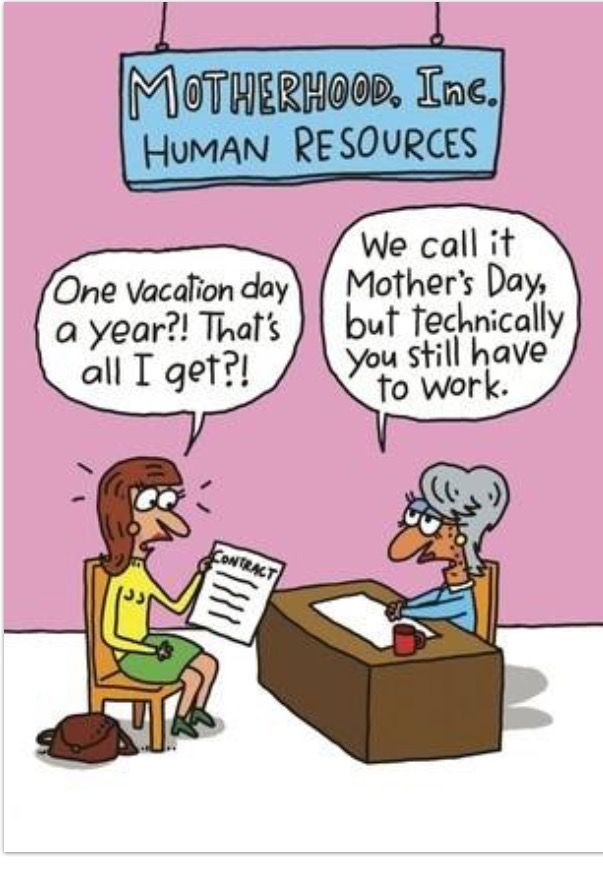
4Rs Tips for May 14 – This Mother’s Day Choose Planet-Friendly Actions
Ways to avoid contaminating Mother Earth with items we no longer want.
Happy Mother’s Day to All the Moms of the World
Moms know how important it is to fight for a livable planet for our children. We all do or we wouldn’t be here learning how to eliminate our disposable habits.
But first…
Tips for Mother’s Day Gifts
This Mother’s Day, instead of buying Mom fresh cut flowers, give her a plant or native seeds for her garden. Indoor and outdoor plants naturally purify the air, and adding plants to your home or garden increases natural carbon sequestration.
See more resources in the Take Action section below.
And now… down to the house cleaning (Yes, most moms are probably doing it, even on Mother’s Day).
How to Dispose of Unwanted Items – Think Reuse and Recycle
I’m moving (again) and found there is a huge benefit to it. This will be the fifth time since I moved to California four years ago. Yeah, I know, sounds crazy! But, I figured out the benefits. One is that there a lot of things in boxes I keep moving and never open. So while packing, I’ve taken time to sort through a few boxes to get rid of stuff rather than hauling it to my next home. And, I’ve found an abundance of resources to sell or give away items.
I didn’t know about this until my brilliant daughter told me she got most of my granddaughter’s baby clothes for free from her neighborhood FaceBook Market Place Buy Nothing group.
I was able to give away boxes of craft materials I don’t use anymore.
My favorite part, it only advertises your giveaways to people in your neighborhood. Someone picked up my craft supplies in about an hour.
With more people getting into reuse, there are a number of online marketplaces where you can sell your used items.
Poshmark is great if you are into brand names. It’s a way to buy or sell fashion, home decor, beauty, and more.
Offerup is a way to buy or sell items in your local community.
EBay is a way to sell anything you need to get rid of. They even have a separate marketplace for cars and car parts called Ebay Motors.
Decluttr brands itself as “The Smart, Sustainable and Trusted Way to Buy and Sell Tech.” I think everyone has some of that to get rid of.
Half Price Books buys used electronics, games (video and board games), movies, music, comics, and collectibles. Visit this link to locate a store near you.
But what about items that are too worn to sell or giveaway?
A like-minded woman I met at a Bay Area Earth Day Event shared her tips for reuse and recycling. Here are some great suggestions from Sara Barber owner of Eeviee.com.
Old garments and textiles are a serious problem in our landfills, but we now have a way to solve this. ReTold Recycling has diverted 65 tons of clothing from landfills so far. Unfortunately, almost 2 million tons are estimated to end up there each year.
They take any type of textiles, clothes, towels, drapes, and just about any material you want to get rid of. Check out the How It Works section on their page.
Do you have good-condition bras or unused underclothes to get rid of? The Bra Recyclers is an awesome resource that will get them into the hands of women and families getting out of bad situations and back on their feet.
You can ship them gently used bras and unused panties. Go to their recycling form to learn how it works and get a shipping box.
I wish I’d known about this when I bought bras that I didn’t like the fit. Though I donated them, I know the thrift store would resell them. I would have preferred to send them someplace like The Bra Recyclers which gives them to victims escaping domestic violence or women who have been rescued from being trafficked.
The shoe retailer Zappos is a big supporter of reusing materials for a cause. Their Soles4Souls program was developed to fight poverty through donations of shoes and clothing.
Their Zappos for Good program recycles jeans that are over 90% cotton, as well as other apparel. Check out their recycle page to learn how it works.
Have old sporting goods to get rid of? Check out Colorado Ski Furniture which started out repurposing sporting goods to make chairs. Now they’re making all types of furnishing with skis, golf clubs, hockey sticks, and more.
Learn more about what they do and how they’ve evolved with repurposing sporting goods here on their About page.
Nowadays a lot of people have old laptops lying around they don’t know what to do with. If this is you and you like to contribute to doing good in the world, check out CEWS Tech for Good.
What a boost to a child’s or young adult’s education!
Bye Bye Mattress is a resource that recycles old mattresses in California, Connecticut, and Rhode Island. They’re part of the Mattress Recycling Council that was formed when laws were enacted in those states to prevent dumping of old mattresses, or having them end up in landfills.
While there are a few mattress recycling programs in the UK and the US, it’s an ever-mounting problem, as this article in The Guardian spells out for us.
Thank you, Sara, for sharing these great resources. Visit her resources page for more ideas.
Take Action
In addition to the tips at the top of planet-friendly gifts for moms, here are some resources for growing a garden that will help fight climate change.
Besides my personal efforts to reduce and reuse, I also write this blog. It’s one of the ways I can help us all to fight climate change which in turn helps me to fight climate anxiety.
Use your time and talents to do what you can to help our planet.
Why It’s Important
The biggest cause of climate change is carbon emissions. Since all life is carbon-based, some of these are natural but the largest amount is caused by human activity since the industrial revolution when we started using excessive amounts of fossil fuels.
Carbon emissions don’t only come from vehicles and power plants. A large amount come from waste in landfills. When we continue to dump truckloads of garbage into Mother Earth each day we contribute to increased carbon emissions. They continue to rise and have yet to start going down, despite the actions being taken. We are fighting corporate profits, so we need to work harder in reducing how much we as individuals waste if we’re going to win this battle and save the human race.
While it’s critical we move away from our reliance on fossil fuels, it’s equally important that we fight to suck those carbon emissions back down to the planet and get them out of our atmosphere where they’re causing the planet to heat. Natural sequestration, like from a climate garden, is one of many ways to do this.
With Much Gratitude
That’s it for this issue. I hope you found it helpful.
If you like this post, please forward it to every earth-friendly human you know. If you’ve been forwarded this post, you can subscribe by signing up for my mailing list below.
4Rs Tips for 04.30.2023 – To Solar or Not To Solar… That Is The Question
As a writer, I couldn’t resist the Shakespearean quip. It’s a big question these days that many homeowners have… is installing solar panels the right thing to do?
Oh, and it is not only for those who own a home. Renters can work with property owners to go solar. Check out the resources below.
As part of the effort to reduce our dependence on fossil fuels and move toward a more sustainable existence on the planet, it’s an important question to ask.
There’s a lot of information and opinions, but the bottom line is… Yes! We should switch to using solar energy wherever we can.
In order to maintain a habitable planet, we must change from a dependency on fossil fuels. That requires a transition to renewable energy. The most common of these are hydro, wind, and solar. Of these, solar is the easiest for most homeowners.
Solar Energy is One of Our Greatest Renewable Resources
If you shop around you can often find programs that will install solar at little or no upfront costs, depending on where you live. In the US, certain states have incentives and rebates in addition to federal ones.
Here are a few things you need to decide:
Do you want to buy or rent solar panels?
Usually, buying is the better deal because it increases the value of your home. But renting is an option.
How will you store the energy you collect?
Having battery storage is like having a generator for when there are power outages.
Will you sell your excess back to your local power company?
Check out the resources below to help you decide what’s right for you.
There are multiple ways to go solar. The most cost-effective is usually to buy the panels, which may cost money upfront, but save you a ton in energy costs and tax rebates in the future.
In the end, they talk about the credits, like for solar.
This link to the IRS info page on home energy credits explains how to take advantage of the credits when you go solar or do other improvements to lower your energy use.
In the UK, you can save hundreds of dollars when you install solar panels with the GreenMatch program.
There are companies that rent you the equipment, so you don’t have to worry about repairs and maintenance. However, the company owning the panels tends to reap the most benefits and the technology has come a long way making ownership easier.
Don’t take the plunge until you do your research.
This article from CNET details how to shop for a solar panel provider and find financing and rebates.
The article helps answer burning questions like, should you rent or buy solar panels.
It also gives great tips on alternative ways to use solar energy.
Find out the pros and cons of going solar and where it can be most beneficial in this article from the U.S. News, Should I Add Solar Power to My Home?
The link contains a list of common questions you may have as you start your research, so it’s a great first step.
This page from Energy Sage can help you decide if installing solar is right for you.
They provide a cost calculator that gives estimates based on your zip code.
You may have noticed more and more businesses are installing solar panels. That’s because it’s not only the responsible thing to do but it’s also cost-effective. They recognize huge savings and satisfy shareholder and customer demands for doing business sustainably.
Burning fossil fuels for energy is the biggest cause of carbon in our atmosphere, which is one of the major contributors to the warming of the planet.
Though the fossil fuel industry has spent billions of dollars to convince us that our carbon footprint is our fault, nothing could be further from the truth. They also spend billions to stop legislation that will help us move away from using gas, oil, and coal. It’s not how we drive our cars that will make a difference, but the choices we make in how and what we buy, like energy.
“While to many the climate debate may seem remote from daily life, the small decisions that we all can make—how much water we use, the products we buy, how we vote—are personal and possible. And they become easier the more we are aware of the consequences.” EcoWatch
Take Action
We as individuals have a lot of power, especially when we all start taking action. Learn and share resources so we can all become better stewards of the planet.
Knowledge is Power!
These actions may be easy for you, or they may be hard, but I hope you will consider taking at least one of them.
This Plastics Footprint Calculator gives you a way to see how you compare to the average plastics user in your country.
It helps you be aware of how this dangerous petroleum-based product shows up in your life.
Know who your government representatives are and get online to find out what they support. Call your reps or send them emails to let them know you are against continuing our reliance on fossil fuels. After all, they work for you!
Get the Climate Action Now app which makes it easier to call or send emails to the right person. I take action daily with the app, it takes about 5 – 10 minutes a day. TRY IT!
Check into the Inflation Reduction Act and find out how US residents can take advantage of incentives to make their homes more energy efficient. From heat pumps to solar panels, there are rebates available to help you reduce your energy use and impact on the climate.
Pages 10-17 of the Toolkit lists great ideas for people and organizations.
With Much Gratitude
That’s it for this issue. I hope you found it helpful.
If you like this post, please forward it to every earth-friendly human you know. If you’ve been forwarded this post, you can subscribe by signing up for my mailing list below.
Drop me a line anytime if you have questions or comments. I love hearing from you. Thank you for reading these tips and subscribing. Pat yourself on the back for doing your part. Remember, everything helps.
We’ve got this!
All my best, Jen jen.thilman@gmail.com
Sign-up to receive these weekly 4Rs posts
Processing…
Success! You're on the list.
Whoops! There was an error and we couldn't process your subscription. Please reload the page and try again.
4Rs Tips for 04.16.2023 – How to Support the Planet this Earth Day
This Earth Day special edition of the 4Rs is all about actions you can take. Try some out and keep going throughout the year. The planet needs our support 365 days a year, not just one.
There are Earth Heros around the world and in our communities. Seeing all they do can make us often feel like we need a lot of extra time to support the fight against climate change. NOT TRUE.
ClimateRealityProject.org offers training and local community chapters where you can connect and learn. Learn how to take action in your own backyard.
Earth911.com has helpful tips and a database you can search on any climate topic or where to take hard-to-recycle items in your area.
350.org is all about the fight against harmful fossil fuels and ways to tackle climate injustice.
Third, find quick and easy steps that will support a better climate, like these actions that take little or no time out of your day.
The Climate Action Now (CAN) app is available on Apple or Google Play. I do this while I walk my dog every morning. It usually takes me about 5 minutes.
Complete a few actions in the app each day and they plant trees.
Become a member and they plant more trees.
Through actions and memberships, they’ve planted nearly 130,000 trees since they started on Earth Day in 2021.
Be a healthier shopper. Eating whole foods is not only healthier for you but also for the planet.
Less processing = less carbon emissions and better health for you and Mother Earth.
Whole foods can often be purchased in bulk and with zero packaging.
Get reusable mesh bags for bulk food and produce shopping. Carry these with your reusable shopping bags and never use another plastic bag.
Pay attention to how much trash and recycling you produce in your home.
Look at each item and challenge yourself to eliminate it. Like paper towels and plastic wraps – both have reusable alternatives available.
Use eco-friendly cleaning products.
Dropps is a company I recently learned about that makes zero-waste, planet-friendly cleaning products.
Why It’s Important
“While to many the climate debate may seem remote from daily life, the small decisions that we all can make—how much water we use, the products we buy, how we vote—are personal and possible. And they become easier the more we are aware of the consequences.” EcoWatch
Watch the Film4Climate short film winner called, Three Seconds. It’s 4 minutes of screen time you’ll never regret.
Take Action
There are plenty of actions above that won’t take a lot of effort to get started doing today. Remember, we individuals have a lot of power, especially when taking action together.
With Much Gratitude
That’s it for this issue. Remember, I’ve moved to posting bi-weekly so see you in two weeks.
If you like this post, please forward it to every earth-friendly human you know. If you’ve been forwarded this post, you can subscribe by signing up for my mailing list below.
Drop me a line anytime if you have questions or comments. I love hearing from you. Thank you for reading these tips and subscribing. Pat yourself on the back for doing your part. Remember, everything helps.
We’ve got this!
All my best, Jen jen.thilman@gmail.com
Sign-up to receive these weekly 4Rs posts
Processing…
Success! You're on the list.
Whoops! There was an error and we couldn't process your subscription. Please reload the page and try again.
4Rs Tips for 04.02.2023 – 3 Ways to Make Your Money Greener
I just became a grandma for the first time. I’m over the moon excited, but I’m also scared. I’ve been following climate news for years. When scientists say time is running out they no longer mean in 50 to 100 years, they mean in 10 to 20 years.
In the realm of Take Action, this means NOW!
I’ve heard people say, “Climate change is the fault of big corporations,” more times than I can count. My question is, “Why are we giving them our money to do it?!”
How we bank and where we invest our money is the source of funding for planet-harming industries like fossil fuels and manufacturing.
How We Bank and Borrow – When you deposit your paycheck, your bank invests that money. This is how they make money. Unfortunately, most banks invest in industries that contribute to climate change – Yep! Those big corporations everyone complains about.
More important than earning for the future is SAVING THE FUTURE
Where We Invest – The majority of people have a retirement fund and many people invest by other means be it an app where they buy stocks or through a brokerage firm. Of course, our first concern is whether we are going to earn money when we invest it but that is actually NOT the most important thing to research.
This article from the UN tells us not only why, but also lists the UN backed climate funds at the end of the article.
Sustainable efforts need our financial support. Industries like regenerative agriculture can be lucrative long term investments. Plus, our future food supply depends on them.
How and Where We Shop – Everything we spend money on makes a difference.
A little time researching brands can make a HUGE difference on your environmental impact. See the 4Rs post on spotting greenwashing.
Durable goods should be durable. Things like clothing, furniture, and appliances should be made to last not be replaced in a few years.
Our planet has been seriously harmed by planned obsolescence.
Electronics are made to only last a few years.
Flat screen tv’s are hard to recycle, but aren’t made to last long. This review showed they last from 4.5 to 6.8 years.
How we buy and replace home appliances is important.
Energy efficient and longer lasting appliances are less expensive even if the upfront price is higher.
If you buy a lot of disposable goods you not only escalate the pollution of our planet but you also support one of the leading sources of carbon emissions, manufacturing.
If we’re to stop the destruction of our environment by fossil fuel companies we need to act responsibly with our money.
Why It’s Important
Financial institutions have yet to support a transition to a cleaner world despite commitments made. It’s time we put pressure on them. We need to show them we no longer want to do business with companies that don’t support a cleaner environment.
Though many have signed pledges to do so, big banks haven’t stopped putting money into fossil fuels. It’s time we to stop putting money into them.
The 10 to 20 years we have left to change is the time until we reach major tipping points. When the environmental damage will no longer be reversable and resources will become limited.
Challenge yourself to make your money environmentally friendly.
With Much Gratitude
That’s it for this issue. Remember, I’ve moved to posting bi-weekly so see you in two weeks.
If you like this post, please forward it to every earth-friendly human you know. If you’ve been forwarded this post, you can subscribe by signing up for my mailing list below.
Drop me a line anytime if you have questions or comments. I love hearing from you. Thank you for reading these tips and subscribing. Pat yourself on the back for doing your part. Remember, everything helps.
We’ve got this!
All my best, Jen jen.thilman@gmail.com
Sign-up to receive these weekly 4Rs posts
Processing…
Success! You're on the list.
Whoops! There was an error and we couldn't process your subscription. Please reload the page and try again.
4Rs Tips for 03.19.2023 – 3 Reasons Recycling Isn’t Working, What We Can Do About It
Why This Blog is Called The 4Rs… Recycling is Broken and We Need to Rethink It.
But First – Don’t Miss Earth Hour Next Saturday, March 25th
Wherever you are, whatever time zone, show the earth some love next Saturday and power down at 8:30 pm during Earth Hour. Follow the link and find tips on how to give back to Mother Earth.
Why 4Rs?
The “4Rs” name for this blog was inspired by a conversation I had with Fresno City Sustainability staff when I lived in that California city. They said they like to look at it as Reduce, Reuse, and Rethink Recycling. I stole the idea because one of the drivers behind why I’m doing this work is because I discovered that Recycling is broken and we need to Rethink it.
After years of being a Recycling and zero-waste volunteer, I was pissed because it didn’t feel like Recycling was making a difference. Then I learn how plastic recycling is mostly a lie and the only real cure for our excessive waste problem is to Reduce and Reuse.
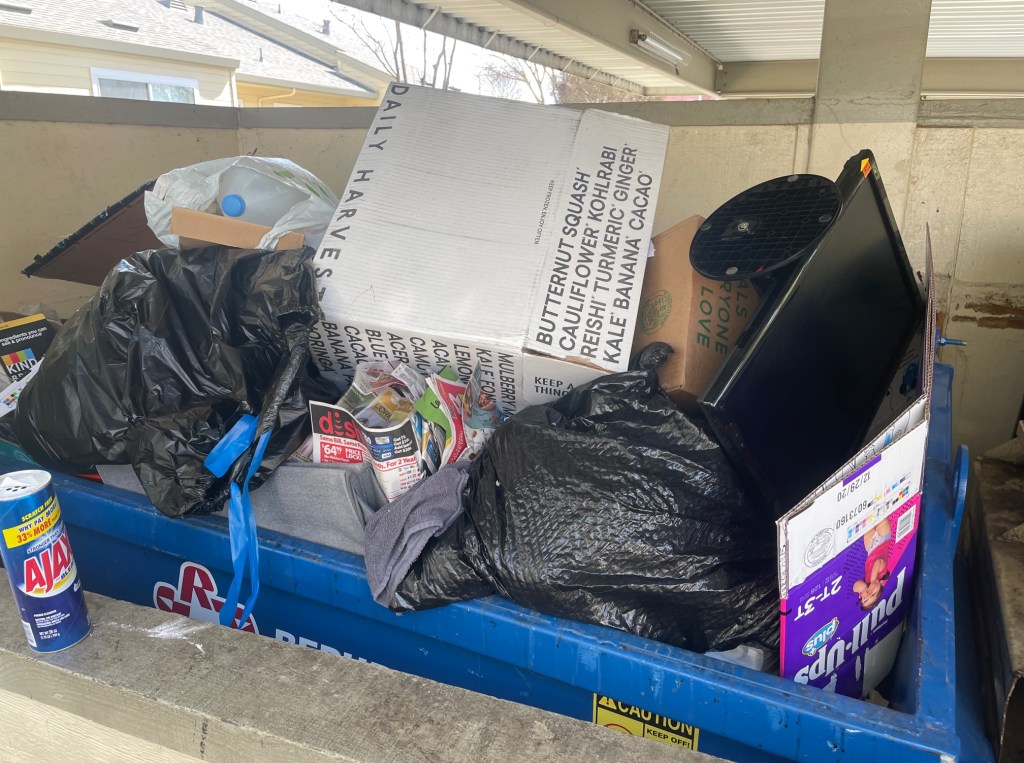
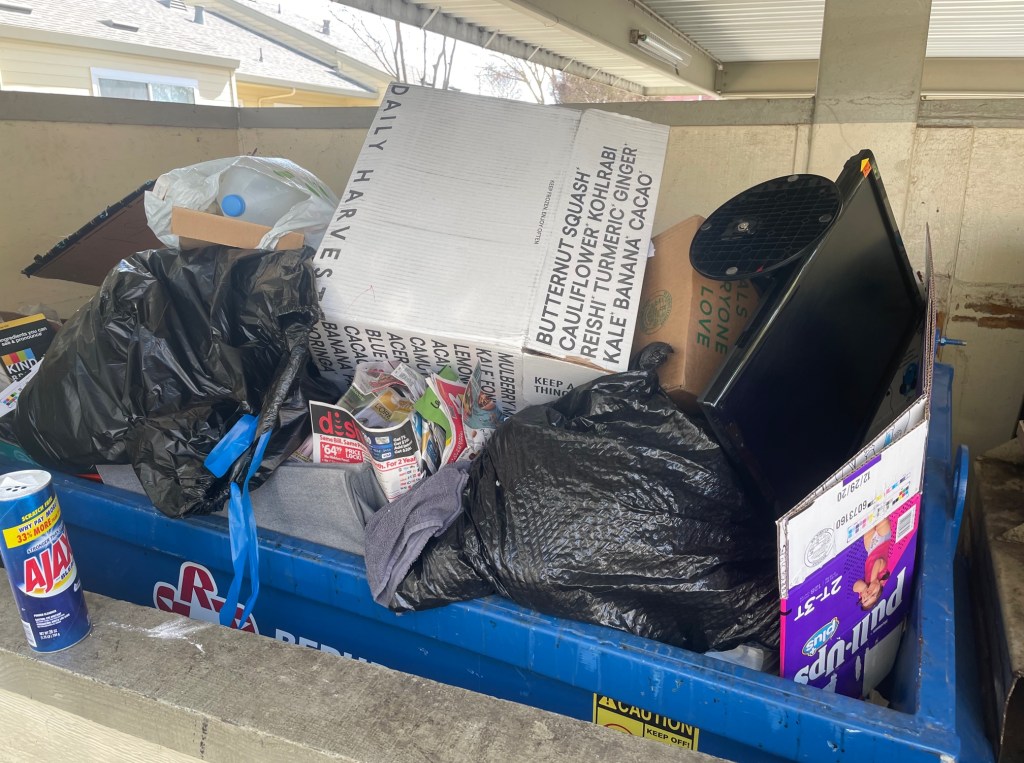
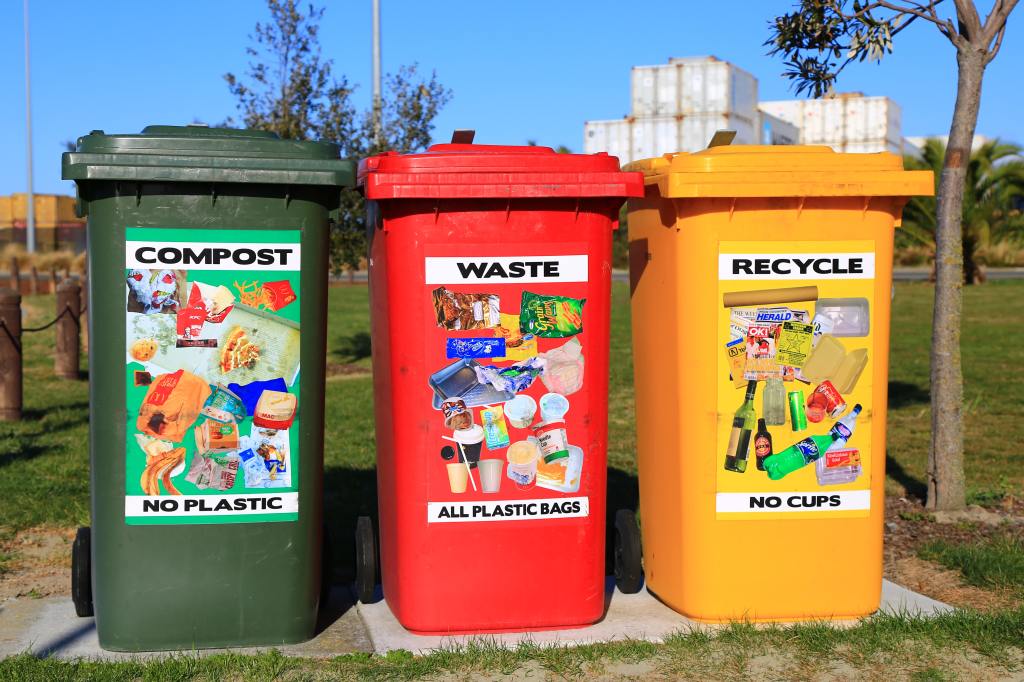
Nowadays, so little effort is put into doing it right this is what a lot of recycling bins look:
Most of this is not recyclable material.
At Author’s Fresno apartment complex in 2021. Photo by Author, Jen Thilman
3 Reasons Why Recycling Hasn’t Worked Well
From the time products and packaging are made to the time we get rid of them, the process of recycling is flawed for three key reasons.
There are no consequences for manufacturers. Companies that make disposable and single-use items aren’t responsible for what happens to them. Though this is starting to change in some countries.
They aren’t required to make packaging that can be recycled or cover the cost of disposal.
In most communities, taxpayers carry the financial burden of what happens to single-use items after purchase.
Actions like Extended Producer Responsibility (EPR) laws are needed to require manufacturers to pay for the waste and environmental damage caused by their practices and products, instead of the consumer paying.
Bottle deposits are a form of EPR laws. In communities where deposit laws are done right, recycling rates of beverage containers are 80% or higher.
There are countries that have over 90% recycling rate of beverage containers.
A number of countries, like Sweden, tax producers of products, including fossil fuels.
Several US states either have, or are proposing EPR rules on the manufacturing of disposables, like in Colorado, Maine, and Oregon.
It’s not properly funded so we don’t have the systems in place to recycle all materials, most specifically plastics.
According to experts the biggest benefit of recycling is to reduce the mining of materials and fossil fuels from the earth. The emissions and damage to our environment from these activities are big contributors to climate change.
In many developed nations, taxes still subsidize the fossil fuel industry, where plastics come from, so virgin materials are cheaper than recycled.
Makers of products and packaging have few incentives to use recycled materials.
How We Recycle is Complicated. No matter where you are, you likely don’t know how to correctly recycle. Even in your own home, you may not know the rules of your recycling service.
What goes in recycling bins and how we put it there can be confusing.
Honestly, after reading it a few times, I still can’t tell you what plastics they take.
In the US, every community and municipality handles recycling differently.
Most recyclers are Materials Recovery Facilities (MRFs) that simply sort and sell what we give them.
MRFs have different contracts to sell materials, so they take different materials and in different conditions, depending on their contracts and sorting equipment.
This determines what you can and cannot put in your recycling bin and it’s not very consistent.
What sucks about recycling is that it keeps changing. Can someone just build a good system that works so things actually get recycled? Then give us one set of instructions that we can get used to and eventually get right.
Since recycling keeps changing, at least in the US it does, I think we’ve given up on figuring out how to do it right, and now most recycle bins have become nothing more than second trash bins.
So if recycling is so broken, but disposable lifestyles are so darn convenient, what can we do to stop this dangerous cycle of single-use everything?
First, we need to get to work on our mindset. Pay attention to your trash and recycle bin. Where can you reduce disposables in your life?
We Need to Reduce and Reuse!
We need to seriously look at the convenience of disposables. Is the damage to our planet a price you want to pay for not having to wash a dish? For not having to cook meals or make lunches?
What Can You And I Do To Help Recycling?
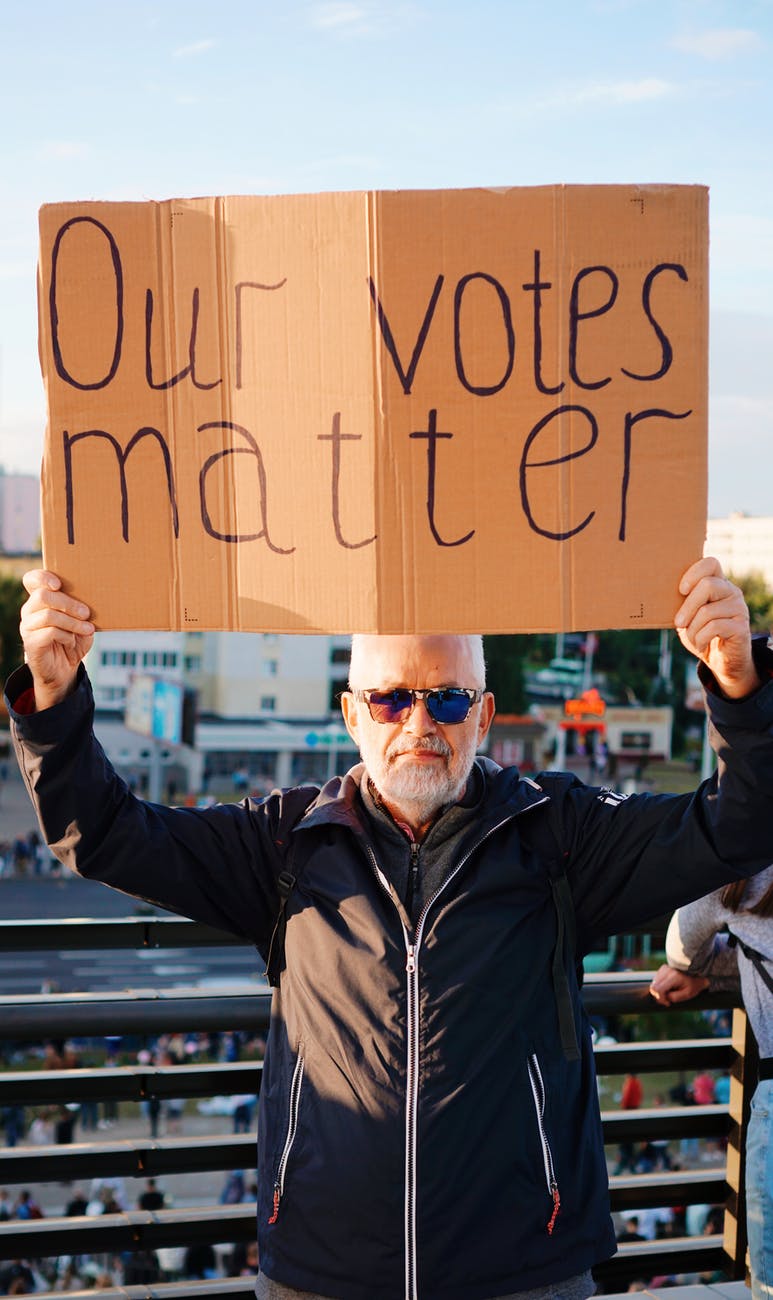
Pay attention to your local proposals to control the use of disposables. Support these laws and the candidates that promote them.
We won’t have effective recycling until the people making disposables start making them responsibly so they can be recycled. We need laws for this.
We can’t change the past and take back all the funding for harmful fossil fuel extraction.
We can move forward with our votes and make sure we hire people in government who will work to reverse the funding of industries that damage the earth.
As individuals, we must learn what our investments and money in the bank are funding. See the Take Action section for more on how to do this.
Pay Attention! If we want recycling to work we need to take the time to make sure we’re doing it right.
Don’t fall back on the old argument, “It doesn’t work anyway, so it doesn’t matter if I do it right.” I’ve heard this way too many times. I’m not sure how this argument is going to solve our recycling problem.
Why It’s Important
I can think of Billions of reasons… wait, no! I can think of Trillions of reasons why reducing disposables and fixing recycling is important.
Our planet can no longer afford these statistics. It has to stop or there won’t be much left of a livable environment.
We as individuals have a lot of power, especially when we all Take Action.
Massive Action = Massive Results
These up coming actions may be easy for you, they may be hard, but I hope you will consider taking at least one of them.
On March 21st, Third Act’s National Day of Action is about telling financial institutions that we no longer want our money invested in the fossil fuel industry. It’s a day where we change how we bank and invest so we contribute to a greener future.
This can be scary when panicked depositors over-reacting to the bond markets have shuttered the doors of a few banks, but that’s no excuse not to do the research and find a bank that is doing fine and not heavily invested in government bonds. It is no excuse to continue banking with financial institutions that heavily invest in fossil fuels.
Since I learned the bank I’ve been with for over ten years is number one on the list, I’ve done the research and am switching to Aspiration for my banking. They offer all the services of my old bank.
Earth Hour is March 25th This is the easiest action anyone can and should do (spread the word). At 8:30 pm, in whatever time zone you’re in, on March 25th switch off ALL lights and electrical items for ONE HOUR. That’s it.
Pull out a flashlight or light a candle and read a book.
Have a conversation with your kids or partner.
I know people who just go to bed early.
April 22nd is Earth Day. Though it’s important that we consider every day Earth Day, this one day out of the year is dedicated to learning how we can do better. Let’s learn how to be better caretakers of our source of life. Spend a little time doing something that will make a difference.
Invest in the Planet is the theme for Earth Day this year. They have this Action Toolkit for you to find events and other actions you can take.
It’s about learning how to make every day Earth Day
With Much Gratitude
That’s it for this issue. Remember, I’ve moved to posting bi-weekly so see you in two weeks.
If you like this post, please forward it to every earth-friendly human you know. If you’ve been forwarded this post, you can subscribe by signing up for my mailing list below.
Drop me a line anytime if you have questions or comments. I love hearing from you. Thank you for reading these tips and subscribing. Pat yourself on the back for doing your part. Remember, everything helps.
We’ve got this!
All my best, Jen jen.thilman@gmail.com
Sign-up to receive these weekly 4Rs posts
Processing…
Success! You're on the list.
Whoops! There was an error and we couldn't process your subscription. Please reload the page and try again.
4Rs Tips for 03.05.2023 – Don’t Get Conned: 3 Common Types of Greenwashing
Is it greenwashing? How to know if a company is pretending to be green.
Today, I wanted to share some tips on how to know if a company is greenwashing.
But first… I often drop a Take Action section at the end because, quite frankly, the time to act is now. I’ll continue to do this, with a shout-out here on an upcoming action like this one on March 21st.
Third Act’s National Day of Action is about stopping the funding of fossil fuels with our hard-earned money. THIS IS IMPORTANT. Read more about it in the Take Action section below.
Greenwashing Means Misdirection
You’ve probably heard the expression greenwashing, but do you know what it means? Wikipedia tells us that greenwashing is when companies spend more to tell us their green than they spend on actually being green.
They spend the green to LOOK green, but they don’t spend it to BE green.
The goal of marketing a product is to make it attractive to you, the consumer, and that includes you, the planet lover. They need to make their products sound planet friendly. Unfortunately, what they say and do doesn’t always make them green. You have to dig deeper to make sure they aren’t greenwashing.
3 common ways companies misdirect us into believing they’re sustainable
They plant trees. That’s great, but does it make a difference?
Planting trees doesn’t mean much if a company’s operations are damaging the environment. One does not make up for the other.
Companies need to reduce their impact from manufacturing and operations or tree planting doesn’t make much difference.
Are they covering up for bad environmental practices, like chemical usage and waste habits?
A responsible company discloses chemical use, emissions, and waste reduction practices.
Are the trees protected or will they be cut down once they grow?
Industries, such as beef and palm, cut down 25.3 Mha* of trees in 2021. That’s over 62 million acres. (*Mha = million hectares)
A company emphasizes that they use recycled content.
But when you look at a product description, it only contains 5 – 10% recycled materials.
Even if they say they use 50% recycled content, you need to consider that the rest is virgin and likely comes from fossil fuels.
Plastics, polyesters, nylon, and vinyl, these are examples of materials that are derived from fossil fuels.
They promote their use of green materials but not ALL materials they use are sustainable.
Often when you look at the contents of a product or the materials used, only one or two ingredients are responsibly sourced.
This is fine if those are the majority of the product’s content, like a cotton sweater, but sometimes it’s a small amount.
Transparent manufacturers provide a materials list and tell how much of each is in the product.
For products, like food, this is usually required by law.
They make a big deal out of their charitable work or contributions to environmental groups, but they continue unhealthy practices.
I’m a big fan of corporate dollars going to environmental groups (1% for the Planet is great!). But, like with tree planting, if a company isn’t fixing the damage done by their factories, funding environmental causes doesn’t matter.
They need to stop doing the things that damage the environment.
We all need to change how we do things. Not just people, but companies too!
So what do we do? How can we stop buying from companies that are greenwashing and start buying from companies that are supporting change?
What We Should Expect From A Sustainable Company
If a company claims they are sustainable we need to see proof. They should provide this in the Sustainability section of their website, which can also be their Responsibility page or their ESG (Environmental & Social Governance) section. Here’s what to look for:
Use of sustainable materials
Low-impact sourcing, production, and consideration for end-of-life impact from their products.
Transparency about supply chain and labor practices.
Being sustainable includes providing a living wage and good conditions.
Cruelty-free and vegan (no animal testing or animal bi-products).
Safe and non-toxic to humans and the environment.
Thoughtful packaging that is reduced and recyclable.
Green business practices (e.g. powered by renewable energy, water, and waste management initiatives).
Community & charitable giving programs.
But why would we trust this information when it comes from the company? We shouldn’t.
Is your favorite brand greenwashing?
A critical path to calling a company “green” is proof that they’re working to reduce its impact. There are organizations they can join that will monitor their operations and verify they are doing it. There are also several websites that review and analyze how sustainable a brand is.
Here are some organizations that monitor and certify companies as sustainable. They offer a way to search by brand name.
B-Corp – search for companies certified to have the highest level of social and environmental standards.
These sites do reviews on how sustainable companies are. Check and see what they’ve uncovered about your favorite brands.
Good On You – where thousands of brands are rated for how planet-friendly they are.
Impactful Ninja – provides reviews and insights on all aspects of living sustainably.
Sustainable Jungle – Reviews products for sustainability and more resources on greenwashing.
Earth911 – loaded with articles and tips on how to buy more sustainable products.
With all these resources and a few minutes of your time, you can quickly check before your next purchase how eco-friendly the product is.
Take Action
We as individuals have a lot of power, especially when we all Take Action.
Massive Action = Massive Results
These coming-up actions may be easy for you, or they may be hard, but I hope you will consider taking at least one of them.
On March 21st, Third Act’s National Day of Action is about telling financial institutions that we no longer want our money invested in the fossil fuel industry, It’s a day where we change how we bank and invest so we are part of a greener future.
Where we bank matters. Banks make money by investing what we put in our accounts.
Many of us are unknowingly funding the destruction of our environment.
I’m participating since I learned the bank I’ve been with for over ten years is number one on the list.
I’ve been researching it for the past few months and am in the process of switching to Aspiration for my banking. They offer all the services of my old bank.
Earth Hour – March 25th This is the easiest action anyone can and should do (spread the word). At 8:30 pm, in whatever time zone you’re in, on March 25th switch off ALL lights and electrical items for ONE HOUR. That’s it.
Pull out a flashlight or light a candle and read a book.
Have a conversation with your kids or partner.
I know people who just go to bed early.
Though it’s important to care for the earth every day, April 22nd is Earth Day. And it really is about learning how to make every day Earth Day.
Invest in the Planet is the theme this year. They have this Action Toolkit for you to find events and other actions you can take.
Why It’s Important
Manufacturers know they need to make products you will buy. That means if you only buy products that you can verify are responsibly made that’s what they’ll make.
We’re past the time when we can simply buy whatever they put on the shelves. Companies won’t be responsible for how they make products until we tell them we require them. This is the power of our wallets.
If people only buy products that are verified to be sustainable, companies making similar products will be forced to become sustainable.
With Much Gratitude
That’s it for this issue. I’ll be continuing my bi-weekly schedule of gathering tips to share with you on how to Reduce, Reuse, and Rethink Recycling. So, see you in two weeks.
If you like this post, please forward it to every earth-friendly human you know.
4Rs Tips for 02.19.2023 – How to Build a Lifestyle of Reuse and a Circular Economy
Build habits that support Reuse in everything you do with these helpful ideas.
How we use, and Reuse, materials has become one of the most critical issues in our environmental impact as humans. We can not continue the one-way street our materials are on. We need to work toward a circular path for everything we use.
Our Disposables Issue
The biggest culprit in our waste crisis is single-use plastics. It seems everything is packaged in them in order to make life convenient, even if that means more trash than necessary.
While we’re focusing on Reducing the number of disposables we use, see my last post on 3 Ways to Reduce: A Return to Basics, we also need to learn how to Reuse the disposables we already have or can’t avoid buying.
Though most disposables can go in recycling, putting them in the bin doesn’t mean they get recycled, especially plastics.
If we can find Reuses for disposables we eliminate emissions from processing and transportation caused when we recycle or dispose of them.
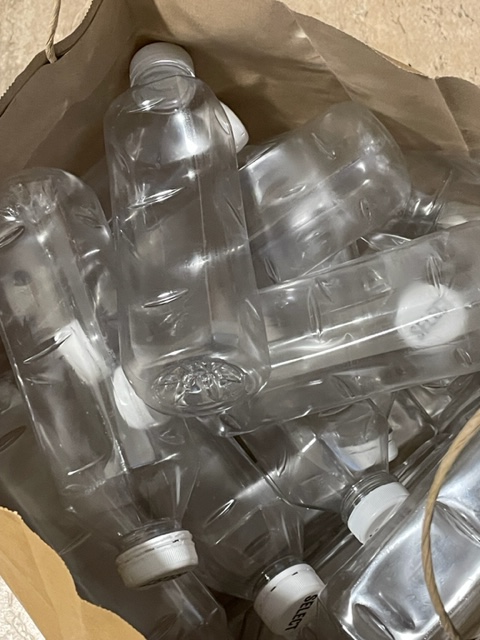
With the internet at our fingertips, we can find ways to Reuse just about anything, including my favorite idea on how to Reuse plastic juice bottles.
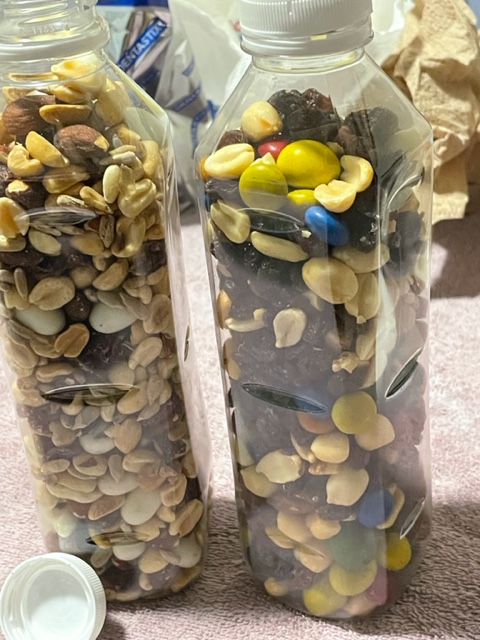
Reuse Juice Bottles as Travel Size Snack Containers
If you regularly buy single-serve juices, please don’t buy the kind in a pouch. Pouches can’t be recycled or Reused. Buy plastic bottles that have a number of Reuses.
I have a favorite aloe juice I enjoy that only comes in single serve. I’ve started washing and saving the bottles. I’m planning a writing retreat in the wilderness and having these lightweight bottles to carry trail mix in will be perfect.
Reusing plastic containers has a significant impact on reducing waste and emissions.
We need to look at the trash we generate and think about ways to Reuse it and avoid emissions and landfill waste caused by throwing it out.
It all comes down to what we do with disposables and unwanted durable goods
Start looking at every item you touch and think, what will happen with this when I’m done with it?
Over 40 countries and regions have bottle deposit laws.
Over 90% of beverage containers get recycled in some of these regions.
When surveyed, people using them like that they have it available.
Whether you need the money or not, turning in beverage containers for the deposit you paid is the best way to make sure they get recycled.
You can give them to people who need the money.
I have a friend who lives in a walk-up in the city; she leaves her bottles on the sidewalk at her entry for the homeless people.
I give mine to my neighbor who is a low-income senior and uses them to pay her bills.
Buy beverages in aluminum cans. It can be recycled repeatedly and does more to support a Reuse economy than any other material.
Plastic can only be recycled once if it even gets recycled.
If you can’t avoid buying them, get creative with ways to Reuse disposables.
I love that you can make landscaping bricks from plastic bottles. How cool is that!
Though we can’t control how businesses package our food or goods, we can support organizations by helping them move to Reusable packaging.
We need to support organizations like Upstream Solutions. They develop Reuse programs and bring us The Reusies, among other things like fighting for environmental justice and a circular economy.
A circular economy, where economic growth comes from the continuous use of already mined materials, depends on us developing a Reuse Mindset. Not only with disposables but with everything we buy and use.
Non-Disposable Items Should Be Reused and Repurposed
Even if something can’t be repaired, the materials can likely be captured and Reused to make something else, a.k.a. Recycled. Metal, for example, is too precious to send to landfills when we have so much demand for it.
Repairing things that have stopped working is the first choice we should make.
Even if you don’t want to keep an item, why not repair and donate it for someone else to use?
The value of investing your time shows up through the people helped in your community.
Donate to thrift stores that help people in need.
It’s a tax write-off, ya know.
We need to get better at Reusing computers and digital equipment. Electronics end up in landfills at an alarming rate. Because most of them contain at least one or two precious metals, it’s important we Reuse and Recycle them.
There are millions of people globally who don’t have access to a computer. Your used equipment can change that.
If you can’t repair it, get online and find out where you can recycle it. Very few things can’t be recycled, we just need to get them in the right hands.
My favorite database of resources to find where to recycle just about anything is Earth911.com.
One of the best ways to significantly Reduce waste on our planet is with solid Reuse habits. This needs to happen before we send materials off to hopefully be broken down and turned into something else through recycling.
The process of recycling causes emissions. So reusing materials before they leave your home is a lot better than putting them in a recycle bin.
Reuse is better than recycling because recycling doesn’t always work.
Most regions are really behind on having the facilities to recycle disposables.
When it comes to durable goods, finding the right way to Reuse or recycle them is really important because we need the materials to make more goods.
Nearly every item you own can be donated to make more furniture, computers, or gadgetry.
This is how we build the circularity of our materials.
When we sell our used goods in our community we eliminate most emissions from transportation and manufacturing, and we positively affect our neighborhoods.
Donating goods to a charitable thrift store is a great way to do this.
With Much Gratitude
That’s it for this issue. I’ll be continuing my bi-weekly schedule of gathering tips to share with you on how to Reduce, Reuse, and Rethink Recycling. So, see you in two weeks.
If you like this post, please forward it to every earth-friendly human you know.
4Rs Tips for 02.05.2023 – 3 Ways to Reduce: A Return to Basics
Hello planet lovers. I hope you missed me. I’ve missed you! I took a break while I started a new job and had to relocate. I was also busy finishing edits to my book on recycling, which I will share a link to once it’s published.
This being the one-year anniversary of my first 4Rs post, I felt it was a good time to restart. So, like any good thing, we hope to see again, my 4Rs blog has returned. And so I want to talk about “returning” or, more specifically, A Return to Basics and how it can Reduce our impact on the planet.
Returning to basics can simplify your life and contribute to a healthier, happier world.
A happy planet means we are all healthier. It increases our opportunities for happiness.
Let’s tweak those habits!
Wouldn’t it be great if there were a few changes you could make in your daily life that would help the environment? Good News! There Is!
There are THREE AREAS in life where changing how we do things can reduce waste and global warming significantly. And it often takes simple adjustments and little effort.
You may find some changes easy to make; some may be hard. Start with the easy. Stick with it.
I like starting with the easy, feeling the reward from doing that – sometimes actually giving myself a reward – and then once I’ve solidified a change into a habit, challenging myself to add tougher changes.
So here we go, use these ideas to find things you can implement in your life. Start now. Don’t just think about it, write them down.
Code them as Easy, Kind of Hard, and Really Hard. And get to work checking off the list.
The 3 Key areas where humans contribute to the waste crisis are:
How we shop,
how we eat, and
the packaging we use.
1 – Rethink your buying habits. Stop and ask yourself why you’re buying something.
If the answer is because you feel like it, there’s a good chance the item will end up in the trash in the not-too-distant future.
If you enjoy retail therapy, change to browsing thrift stores. You’ll find treasures and eliminate the impact of manufacturing from the cost of your purchase.
We’ve been trained by the media to over-shop. Commercials tell us we should buy crap we don’t really need.
The not-so-obvious: the less you have in drawers, closets, cupboards, and storage lockers, the less time you spend figuring out what to do with it or paying for the space.
Donate good-condition clothes and household items that you don’t use.
Most thrift shops are non-profits that benefit people in need.
There’s one near me, Hope Thrift, that benefits disabled people.
Great book selection.
Goodwill employs and supports people who need help getting back on their feet.
Goodwill Finds is their online store for buying good quality used items, especially clothes.
Cut up worn-out clothes to make cleaning rags or crafts.
I’ve found hundreds of craft ideas online for reusing old materials.
Rent tools instead of buying ones you won’t use regularly.
Stay away from fast fashion and cheaply made goods that aren’t made to last.
Good quality clothes can be donated and used by someone else, but shitty ones can’t.
Buying used clothes and goods is cheaper and better for all of us.
My blender is a good glass one I paid $5 for a year ago at Goodwill. Cha-ching!
Two great benefits of shopping at thrift shops; you get the good feeling of helping the planet and other people, and both your purchases and your donations are likely a tax write-off.
The effort you put into minimalizing your lifestyle will reward you with a better life in the future. You’ll be amazed what reduce can mean to your productivity.
Let’s work on owning only what we need and use
Tiny houses are based on the idea that you should only have in your home what you really need. I don’t know about you, but that sounds pretty simple to me.
2 – How you eat makes a big difference. Not only what you eat but where you eat has an impact on the planet.
Over a third of adults in America eat fast food daily. I’m not saying we stop eating fast food and take-out (I do it; it’s too darn convenient). I’m saying we need to pay attention and cut back in order to reduce waste. A few decades ago fast food was a treat you ate once in a while.
Most fast food and take-out containers are not recyclable.
Even plastics with a symbol have little chance since plastics don’t easily recycle.
Avoid plastics; go with coated paper that will break down easier.
The paper bag is often the only thing that can be recycled unless that gets greasy.
Ge reusable straws. Then you can say “no” to the straw at the drive-thru.
If I find I’m doing drive-thru or take-out too often, which happens since I’m working two jobs, I start to track it on my wall calendar. Marking it down at the end of each day makes me rethink hitting a drive-thru on a busy night. It makes me pay attention so I minimize my waste.
When you track how often you eat out and how much you spend, you’re encouraged to put time into meal planning and having ways to make quick meals when you get home late on a busy day.
Keep track on a calendar or notebook of how many times you get fast food or takeout during the week. Record it at the end of each day so you don’t forget.
Review your bank spending and add up all you spent on take-out and drive-thru.
Then work on cutting it down by 2-3 meals the next week. Find substitutes for those convenient, unhealthy meals. You’re smart. You can think of ways to fit that into your schedule. If I can do it, you can 🙂
Take leftovers or cans of soup for lunch. Keep a spoon and microwave bowl at work so you can wash and reuse them.
Prepare big meals on the weekends with lots of leftovers you can reheat for lunch or dinner throughout the week.
Don’t let those leftovers go bad. Put a reminder in your phone if you have to.
Pay attention to how much you’re reducing trash. This is a huge encouragement for me.
A great reward for me is seeing on my calendar that more than ten days have gone by since I’ve taken out trash or recycling. Keeping track of my waste feels good. It encourages me to skip trips to the drive-thru.
Impulse buys at a grocery store can be very damaging.
If you don’t stick to your list or meal plan for the week, you are more likely to buy foods that will go bad before you eat them.
Some foods make a bigger difference in greenhouse gas emissions.
Livestock, mostly cows, and their manure emit methane.
Beef and dairy consumption is one of the leading causes of deforestation, which releases carbon dioxide and causes warming temperatures.
3 – Disposable packaging can be controlled. We have choices and we have a voice.
The first step is reducing single-use items. Change your eating habits with the tips in Step 2 to decrease your use of disposables.
Stop using disposable shopping bags. I know I’ve shared this before, but it’s way too important and simple to carry a reusable bag. You shouldn’t be buying plastic ones.
I use Baggu bags and Chico Bags that I can carry in my purse or pocket, or you can…
Build the habit of putting your reusable shopping bags back in the car after a trip to the store.
Reusables aren’t just for groceries. Use them at the home goods store, department store, pet supply store, anywhere… Carrying them everywhere helps build the habit, BONUS.
Only use reusable water bottles and coffee mugs.
I heard a podcast recently where the interviewee shared how she taught herself to always remember her reusable coffee mug. If she didn’t walk out the door with it, she didn’t allow herself to stop for coffee and get it in a disposable cup. She loved her morning coffee, so this quickly helped her remember to carry her reusable mug.
Keep a reusable water bottle at work and at home. You won’t default to using disposable cups and you’ll drink more water (you know it’s good for you).
Never buy bottled water. It’s not better for you.
We need to be telling retailers what we want. They all have contact pages on their websites. They should be hearing from their customers that we want less packaging.
Write a standard email message you can copy and paste. Send a few emails a week to push for change.
Start it by saying why it’s important to you.
Point out why you think it should be important to them.
Our government representatives need to hear from us.
They need to hear us say we want national programs for recycling infrastructure that works and laws that require retailers to change their overuse of packaging.
I walked into a grocery store the other day for the first (and only) time in my new neighborhood. Every single piece of produce was already in a plastic bag. As if they thought that was helpful. I avoid using plastics for my produce, so I didn’t buy any. I picked up a few items I needed that day, and will not shop there again.
Why It’s Important
We have to remember that we may be one, but our habits are similar enough to count for many. Using one straw a day seems insignificant, but it isn’t when it adds up to 500 million are used each day in America alone.
Think about this, in many ways, disposables actually complicate our lives. So let’s start with going back to basics and eliminating our single-use lifestyles, or at least cutting back on them.
This isn’t a short-term task. It’s a full-time commitment to change. It means actively looking for adjustments you can make in your life that will reduce your impact. And it means we all have to work on it together, by looking for resources and sharing them with people we love. Here’s a great one I recently found from Green Child: 30 Simple Ways to Reduce Your Impact on the Environment. Teach your children and let’s all make a difference together.
With Much Gratitude
That’s it for this issue. I’ll be continuing my bi-weekly schedule of gathering tips to share with you on how to Reduce, Reuse, and Rethink Recycling. So, see you in two weeks.
If you like this post, please forward it to every earth-friendly human you know.
4Rs Tip for 08.27.2022 – Top 5 Tips to Build A Reuse Lifestyle
Reduce and Reuse have always been more important for a reason – we can’t keep filling our planet with garbage. But for a long time we didn’t think we weretrashing the planet. We thought most of our disposables were getting recycled.
Since we now know recycling hasn’t worked, especially for plastics, avoiding the need to do it is the only answer.
It’s time to get serious about Reuse and find ways to Reduce our trash.
This isn’t working…
A big contributor to failed recycling is too much disposables and not enough people doing it right.Apartment complex recycle bin picture by Jen Thilman.
Last week I talked about the high cost of plastics, like the health damages they cause as a fossil fuel based product. And I talked about the huge opportunities for economic growth and jobs in the coming reuse economy.
So how do we, as individuals, support a transition away from disposable plastics into this circular economy of reuse? How do we do that when there’s so much disposable crap, aka packaging, in the world?
One step at a time.
Start picking up some reuse habits today. Soon you’ll find it easy to do more.
Here are some of my favorite ways to reuse items that might otherwise end up in the trash or recycling, and reduce our impact on the environment.
Reuse plastic containers, food baggies, and wraps.
Food tubs, like for cottage cheese, have tight-fitting lids and are great for storing leftovers in the fridge. Note: it’s not healthy to freeze food in these.
Take them with you when you eat out to carry home your leftovers.
Store dry goods and small items, like nails or buttons.
Keep an open one in the back of your fridge with old coffee grounds in it to absorb odors.
Use masking tape to label them so you can peal it off and easily change it when you keep reusing these.
Zip-close plastic bags can be washed and reused over and over.
When I learned about reusable food storage bags I decided I would buy some once I finished my current box of disposable ones. That was over a year ago and I still have a few left because I wash and reuse them for as long as I can. I will be buying reusable ones soon.
Plastic food wraps are strong enough to be washed a few times unless they’ve been used on greesy foods which make them difficult to clean.
After you wash and dry them, use a butter tub to store your pieces of plastic wrap for reuse.
Look for crafts and DIY things you can make with milk jugs, bottles and other plastic containers you frequently buy.
Look to buy your regular items in reusable containers.
Explore Loop, a reuse program offering refillable containers in stores.
Get into gardening. Growing plants reduces carbon output and your impact on the planet. Growing your own food improves your health. Add composting to reuse food waste.
Compost to provide healthy nutrients for your plants and reduce methane gas, a seriously bad greenhouse gas.
Food waste in landfills is one of the biggest emitters of methane gas. But it can be avoided if we compost and reuse the organic materials.
Having house plants is good for your health. Indoors and outdoors.
Some food like tomatoes and peppers can be grown in canisters on a patio or balcony. Look into growing a lettuce bowl.
Eating fresh produce direct from the plant is the best way to get the vitamins and nutrients it was meant to provide.
Electronics have to be disposed of correctly to reuse the materials that otherwise have to be mined from the earth.
Shortages of components, like computer chips, happen all the time.
These could be avoided if the raw materials in electronics were being recaptured and used to make new.
Always recycle used electronics at e-waste events. You may be able to sell or donate working electronics.
Buy used clothing and household items to reuse what’s already been made. When you need something browse thrift stores and yard sales. It also gives you time to rethink whether you need to spend money on that item.
I’ve bought clothes at thrift stores with the original price tag still on them.
Online reuse and thrift stores are becoming popular and a great way to change up your wardrobe.
I’ve been wanting to get a blender. Browsing Goodwill recently I found a glass Black and Decker one for $5 and it works great. Chaching! People get rid of the best stuff.
Because it’s heavy and comes in different colors, glass can be difficult to recycle.
Stick to aluminum cans for beverages.
Aluminum has one of the highest recycle rates and can be recycled over and over.
Look for refill programs in your area.
There are regions around the world making this work, like in Germany. In the US, some states have pilot programs.
Watch for and support reuse programs in your community. We all need programs like this one in Seattle, WA.
Instead of trying to recycle things like pickle jars, reuse them around the house.
Wide-mouth jars can make great planters.
Use them for food storage.
Mix things in them, like paints or baking mix.
Fill a big jar with cake mix and the ingredients, have older kids shake it up to mix it. Baking fun for the whole family.
Start working on these reuse actions today, or find more online. There are tons of resources and ideas out there. Then keep adding new reuse habits every week or so.
Why It’s Important
I talk a lot about habits. That because, when it comes to the environment, good habits can and will save us. I’m a fan of James Clear, author of Atomic Habits. Sign up for his free emails and read his books. They can help you build good habits and make reuse a part of your life.
If we build reuse habits now we will immediately reduce our individual impact on the environment.
We reduce the amount of plastics we generate.
We reduce our carbon output by growing plants.
We live healthier growing our own food, reducing food waste and transportation emissions.
We save money when we buy used items.
Eventually your neighbors might notice when you take less trash and recycling to the curb. Your friends will be inspired by the reusable dishware you use when you entertain. People may notice and you will make an even bigger difference when they follow your lead and build reuse habits, too.
With Much Gratitude
That’s it for this bi-weekly issue of the 4Rs.
If you like this post, please forward it to every earth-friendly human you know.
4Rs Tip for 08.12.2022 – How A Reuse Economy Can Save Us
Zero waste is not only doable but will lead us into an economic boom. A new economy based on reuse. So what does that mean?
It means circularity of materials that comes with living responsibly and with zero waste.
It happens when manufacturers are held responsible for how they make single-use products, and how we dispose of them so they can be reused or recycled.
It means building an industry around reusable single-use packaging.
A reuse economy means breaking the one-way road into the planet that our waste currently travels.
The circularity of single-use items is the only way to prevent the growth of our waste. There are many ways this will be accomplished. Some have effectively been going on for a while but need to be expanded and improved upon.
Disposables have to be made with materials that can and will be used to make more.
This can currently happen with single-use glass and metal but does not happen with most plastics because there are so many different types.
Mail-in programs for recycling disposable razors, toothbrushes, batteries, and similar items are now available.
People need to be made aware of these and the programs need to be expanded on.
Extended Producer Responsibility (EPR) laws for disposables require manufacturers to bear the financial burden for the reuse and recycling of what they make.
A number of countries have these laws in place for packaging.
In the US, the expense of dealing with disposables is shouldered by taxpayers.
Manufacturers have no incentive to make responsible packaging.
US municipalities spend more money on waste management than they do on schools, fire protection, libraries, and parks combined.
EPR laws exist in many countries and are in five Canadian provinces.
A number of US states are proposing EPR laws.
If you live in the US, tell your representatives to support EPR laws.
Refillable programs for beverage containers.
Bottle deposit laws are a critical first step toward reusing and refilling our beverage containers. We need to tell our politicians that we need more and better programs.
Only ten US states have these and less than half of those are really effective. Some states, like California, do not require that stores take back containers for beverages that people pay a deposit on. This makes it difficult for many people, like elderly and disabled individuals, to return these.
Refillable beverage container programs have been successfully happening in countries like Germany for a while now.
Progressive areas in the US, like Seattle, WA, are moving forward with reuse programs that can be a model for others. Visit ReuseSeattle.org to learn more.
Reusable carry-out containers and packaging are the way of the future.
Upstream Solutions is working with restaurants on pilot programs that make to-go containers circular.
They have a goal to develop zero waste onsite dining in restaurants.
Upstream is the organization behind The Reusies. An award show that recognizes the most significant efforts by individuals and companies toward building a reuse economy.
Critical to reaching 100% reusable packaging is the development of Reusable Packaging System Design Standards. Check out the link and see what PR3 is doing to make this happen.
Imagine if every material you bring into your home is turned into another item or reused when you’re done with it. Now think about how many jobs it can create those systems and make those durable reusable items.
Workers are needed to handle curbside collection and sorting of the materials.
Reusable carry-out containers save restaurants money which can equal more jobs and higher pay.
Infrastructure for these new processes needs to be built which equals more jobs.
The goal is that eventually single-use packaging will all be reusable and recycling will no longer be needed. This will reduce the emissions associated with recycling.
We need to push our governments and companies to make the reuse economy happen.
The bottom line, we need these things to happen now.
Why It’s Important
You don’t need to have a Ph.D. to see that the economic and environmental benefits of a reuse economy can be huge.
A lot of workers are needed for this transition.
We have no choice as to the packaging our products come in, yet we have to pay the price for the damage it causes to our planet and our lives. How is that fair?
The price of using plastics is a lot more than we may think. It goes beyond the purchase price. It is the cost of cleaning up our planet, and its in increased health care costs due to poor air quality and poisons in our food and water supply.
With Much Gratitude
That’s it for this bi-weekly issue of the 4Rs.
If you like this post, please forward it to every earth-friendly human you know.
4Rs Tip for 07.29.2022 – Our Energy Transition Needs Your Support
It’s amazing to me that we have everything we need to make the transition to 100% renewable energy right now. We have the tech. We have the resources. We have the people, some who need the jobs the transition will create.
The only thing getting in our way is corporate influence and our governments.
“Oh, that’s all,” your sarcasm clear, “We can definitely beat them!”
We need to be tougher and smarter. I’m going to turn to an old cliche and say, this is the typical David and Goliath battle. So far, the results of this fight are inspiring.
The expense to switch would be too great. Fewer people would add panels to their homes if incentives went away.
California citizens got wind of it in time to kick up a fuss. Many of us signed petitions and sent emails. People marched at the capital building in protest. The bill was tabled. Yay!
This is one fight in a vast number of battles that need our support. We can’t let our guard down.
Corporate interests and lobbyists sneak into local governments and push through laws that can prevent us from making the transition off fossil fuels.
It is no longer something we can leave to the next person. It’s going to take more than some of us. This is going to take all of us.
It’s time we all start fighting the fight. Make it a habit to take steps every day that support our transition.
Find a good source and stay informed about government and corporate actions that can negatively impact the environment.
In my state, I discovered the organization California Environmental Voters. This is how I learned about the proposed tax on solar and signed petitions to stop it.
Use tools that will help you fight for the climate.
Get the Climate Action Now app to send regular emails to your government representatives in minutes. Get it on the Apple or Google Play store.
I spend less than 15 minutes each morning sending pre-set messages to elected officials, companies, and environmental organizations. I customized them with my personal message once and the app remembered and inserts it into the template with each send. Brilliant!
I bet my state reps are getting sick of hearing from me.
They should be sick of hearing from you, too.
Find local actions or groups you can get involved with that are pushing governments and companies to do the right thing. To be environmentally responsible.
Make sure you know who your state and federal representatives are and get online to find out what they support.
Call your reps or send them emails to let them know you are against continuing our reliance on fossil fuels. After all, they work for you!
Get your money out of the hands of banks and companies that invest it in fossil fuels.
We need to get better at paying attention to where our money goes. Not just how we spend it in stores or online, but where we invest it and keep it, too.
We can not let corporate greed for profits today destroy the chances of the human race living beyond a few more generations. The science is clear that this is the current path we are on. We can no longer afford to sit back and let it happen.
Do a little something, anything, each day to help save the planet and get others to join you. Share with your family and neighbors this post and the good resources you find. With the natural disasters increasing I bet they have some interest in preventing climate change.
Why It’s Important – Our Voices Need To Be Stronger Than Their Money
While it’s sad we have to fight our elected officials to act on our behalf, I’m happy to play David in this battle against Goliath to protect our planet. Are you?
With Much Gratitude
That’s it for this issue. Remember, I now post bi-weekly so see you in two weeks.
I’ve been writing this weekly blog now for over six months. While it’s one of the most fulfilling things I spend time on, I need to make time for the work that keeps the lights on.
With that said, I am moving the 4Rs to a bi-weekly blog post. I hope you will continue to read my posts every other week and use them to keep making changes that will help save our planet.
Human impact got us in this situation and is the only thing that can get us out. Take action TODAY!
Fight Overwhelm – Pick Consistent Actions and Take Charge
It’s easy to get overwhelmed by the climate crisis and all the work that’s in front of us. I know, I feel it every day. But reality is knocking on our door in the form of severe weather, climate refugees, and our failing health.
What our planet needs is for us to act!
Pick two actions you can do regularly to help our planet and the human race survive.
Learn how to find joy while taking climate action. Watch this 10-minute Ted Talk from climate activist and marine biologist, Dr. Ayana Elizabeth Johnson.
Work to reduce your plastic consumption. Most plastics belong in your trash, not in recycling. Actively pay attention to how much you throw out every day. These resources can help.
Use your t.v. to educate you and your community. Watch documentaries and videos that reveal the seriousness of the situation; share them with friends and family.
My sister recently turned me onto the documentary, “Eating our way to extinction.” The film reveals the reality of what our eating habits are doing to the planet and our bodies. Watch it on Prime. It will make you rethink how you eat. It did for me.
Watch this video from National Geographic – The Water Crisis. Learn the severity of the problem and how you can help save water, one of our most precious resources.
Check out videos from these guys, The Minimalists. You will learn how to reduce buying stuff and your impact on the planet.
Get the Climate Action Now app on Apple or Google Play store. It makes it easy to take daily actions and send emails. I send five to ten emails a day to my state and federal representatives. It takes no more than 15 minutes. I love it!
Make sure you know who your state and federal representatives are and get online to find out what they support. Call your reps or send them emails to let them know you are against continuing our reliance on fossil fuels. After all, they work for you!
Hint: You can use the Climate Action Now app to send regular emails to your government representatives in minutes.
Why It’s Important – Don’t Live Like an Ostrich
Sticking your head in the sand and not paying attention to our climate emergency won’t do you any good. You will be less prepared when fires or floods knock on your door and food shortages become a way of life.
Fire seasons are longer now, devastating more areas and increasing the loss of trees, and emitting excessive carbon emissions.
Floods dominated the 432 natural disasters in 2021, a jump from the 20-year average of 357, causing billions of dollars in damage and the loss of thousands of lives.
“While to many the climate debate may seem remote from daily life, the small decisions that we all can make—how much water we use, the products we buy, how we vote—are personal and possible. And they become easier the more we are aware of the consequences.”
Mother Earth needs our help! The more aware we are of the problem the better chance we have of averting the consequences of the human impact on our source of life.
With Much Gratitude
That’s it for today’s post. Please share these tips with every earth-friendly human you know. Mother Earth is counting on us!
4Rs Tip for 07.08.2022 – A Fight to Control Our Ecological Impact
Our Impact on Mother Earth is Not Out of Our Control
One of the biggest challenges we face is getting our carbon emissions under control. This is a huge part of the human ecological footprint. Why not carbon footprint? Because our impact is from more than carbon emissions, and it’s my way of protesting corporate manipulation.
They’ve been getting away with it for far too long
They’ve manipulated us into an era where we practically have no choice but to buy from these big polluters that created the mess in the first place.
Similar to the Keep America Beautiful campaign that was created to make us believe that if we put our trash in the right place our waste would no longer be a problem. It was funded by beverage and bottling companies to keep us buying disposable containers and plastics made from fossil fuels.
Research has shown that the top producers of fossil fuels are the biggest polluters. They do what they can to keep us from knowing how they perpetuate our climate crisis so we keep giving them craploads of money to do it.
Our eco-footprint is mostly driven by who we give our money to through spending and investments, and a lot of that happens with our tax dollars. Government subsidies to fossil fuel companies totaled trillions of dollars just a few years ago when the US was under a profit-driven regime. Fortunately, we’re seeing a shift in this irresponsible government spending of our tax dollars.
In the US, taxpayer dollars subsidize the fossil fuel industry to the tune of over 20 billion a year, and over 6 billion of that comes from state tax dollars.
One study by the IMF in 2017 showed that the US spent 10 times more on the fossil fuel industry than it did on education. If you think about it, this leads to the dumbing of America so people will believe the lies of big polluters.
How can we fight big business? With our voices and our wallets.
We need to fight laws that keep us dependent on fossil fuels by speaking up and telling our elected officials enough is enough.
Vote for local laws and the representatives that will protect your community from plastics and policies that benefit the fossil fuel industry. Without our voices, fossil fuel companies and big corporations write the rules to fit their needs and increase profits.
Right under our noses fossil fuel lobbyists went into US states and pushed through bans on restricting the use of plastics in as many as 18 states. These bans on plastic bans make it even harder to restrict the mass amounts of plastic invading your community.
In California, energy companies found rooftop solar cutting into their profits so they tried to push through a tax on owners of solar panels. Many people in the state protested with calls and emails (I was one of them) and prevented it from happening, for now. We can’t let up. We need to continue to fight these laws that keep us tied to fossil fuels.
Find informative resources in your state and municipality to know what is happening in your community to fight corporate polluters. I subscribe to my state Department of Justice newsletter that tells me what actions are being taken to protect me and my family.
The internet provides us the resources to learn about this kind of legislation in our communities and states.
Make sure you know who your state and federal representatives are and get online to find out what they support. Call your reps or send them emails to let them know you are against continuing our reliance on fossil fuels. After all, they work for you!
Get the Climate Action Now app that makes it easy for you to make those calls or send emails. I send about ten emails a day to my state and federal representatives and it takes no more than 15 minutes a day.
Come on, you can’t tell me you don’t have 15 minutes to spare to save our planet. How are you gonna explain that to your kids?
And, we can take action to avoid buying from corporate polluters.
Drive an electric car or drive less – if you can’t afford to switch up your vehicle right now work on other ways to reduce your gas use. Look for alternatives like:
Public transportation
Walking to the store
Take a train or bus on your next trip
Don’t buy plastics – actively working to avoid them; it’s challenging but doable. Pay attention to what you buy and look for ways to shift those purchases to buy from eco-friendly companies that use biodegradable or reduced packaging.
Buying used goods eliminates more packaging in our world. There are enough clothes in the world that no one has to buy new, ever!I’m just saying.
Reduce online orders to avoid transportation emissions – become aware of the consequences of your online shopping. Watch this video on the true cost of Prime Day.
Buy long-lasting durable products that you will want to hang onto for a long time. Profit-hungry corporations hate this.
A great quote I recently read:
“When you buy something cheap and bad, the best you’re going to feel about it is when you buy it. When you buy something expensive and good, the worst you’re going to feel about it is when you buy it.”
Why It’s Important
Someone asked me once why what’s happening now to our climate is any different than the natural change that would occur anyway? At the time, my best response was to say that human activities accelerate climate change. I found out later that wasn’t the right answer.
I love these questions because they help me discover the truth about this crisis. It’s not that human activities have accelerated a change in climate, we’ve disrupted it.
The air and ocean currents that support life on our planet are broken. They no longer work the way they are supposed to. This is why we see unusual weather patterns and heat waves in the Antarctic that are unnatural.
“While to many the climate debate may seem remote from daily life, the small decisions that we all can make—how much water we use, the products we buy, how we vote—are personal and possible. And they become easier the more we are aware of the consequences.”
Mother Earth needs our help! The more aware we are of the problem the better chance we have of averting the consequences of the human impact on our source of life.
Mourning the Loss of Freedom and Protections in My Country
The decisions made by the US Supreme Court over the past few weeks scream clearly that they are not concerned with protecting my health or my rights as a human.
After the devastating blow to our right to choose what happens to our bodies, they stripped the Environmental Protection Agency (EPA) of its power to regulate power plant emissions. It’s mind-numbing to think the EPA is there to protect our environment, yet has no powers to do that.
These decisions strike a blow to human rights and the health of our citizens. I can think of no better reason to step up our fight for the planet and our future.
Ways You Can Make A Difference
It’s not taboo to talk climate.
Share these videos that might open someone’s eyes or help them see what they can do.
This 10-minute Ted Talk from climate activist and marine biologist, Dr. Ayana Elizabeth Johnson helps us understand how important it is to act now and how to find joy in saving the planet. Please watch and share.
The Film4Climate short film winner in 2016, Three Seconds is only 4 minutes long and well worth your time. Check it out.
With Much Gratitude
That’s it for this week. If you like this post, please forward it to every earth-friendly human you know.
4Rs Tip for 07.01.2022 – Water Conservation: Even More Important Now
Ways to Conserve Water, Our Most Precious Resource
But first, I want to talk about my favorite climate activist and marine biologist, Dr. Ayana Elizabeth Johnson. Co-founder of Urban Ocean Lab, she’s also a writer, climate policy expert, and presenter of this inspirational Ted Talk. It’s only 10 minutes long and I hope it is 10 minutes that will change your life. It did mine. Please watch and share. For the sake of our planet.
What sucks is that a lot of us have been doing our part to conserve water, when most water use is by manufacturing and agriculture. But this shouldn’t be a reason not to save water, it should be a reason to speak out and force big businesses to change. You can use your wallet for this, too.
Do the research and find companies that are working on reducing water waste. Buy from these companies, once you’re sure they’re making efforts to conserve.
No matter what, every drop of water we can save makes a difference to the lives of future generations and how they live. Here are some ways to do that.
Turn off the faucet while you brush your teeth or shave.
Make sure your faucets are turned off all the way. Fix drips right away. You would be amazed how much water is wasted from a drip.
Take 5 minutes showers and take them less often. You only need to shower every day if you stink, right?
When washing your hands, turn off the tap while you scrub and practice turning faucets on lightly with a low stream.
Flush less – there’s no reason to flush every time you pee. Remember, if it’s yellow leave it mellow, if it’s brown flush it down.
Each flush in a standard toilet uses 5 -7 gallons of water.
Consider putting in a low-flow toilet when you remodel or build a home. It reduces water use to less than 2 gallons per flush.
Reduce how often you water your lawn – it may like it greener looking, but looks aren’t important right now.
We need that water to grow food.
Needs Vs. Wants – an important consideration when we’re fighting for our lives
Wash your car less and look for a car wash that uses recycled water. Or, wash your own car and control how much water is used.
Have a nozzle on your hose so you can easily shut off the water when not rinsing.
Only wash your clothes when they’re dirty or stinky. This saves water and reduces microplastic in our water system unless you wear only organic materials. If so, I say “thank you!”
Cut out food waste. We need water to grow food and with one-third of our food being wasted every day, we could save a lot of water if this was eliminated.
When boiling food, only use enough water to cover it. The rest is wasted water.
Need a drink of water? Don’t run the faucet waiting for it to get cold. Keep a jug of water in the frig, or a water filter pitcher so you get the healthiest water for you and your family.
Water house plants with the water you used to boil eggs or noodles, after the water has cooled, of course. Why pour that water down the drain? And, anything organic in it is nutrients for plants.
When you hand wash anything, clothes, or dishes, use a bucket. Don’t run the faucet.
Visit Save Our Water for more on these tips and learn how much water you can save by doing some of them.
Kids Need to Know Why It’s Important
Help your kids to understand why you yell when they leave a faucet running. There are great resources online. Tell them NASA wants to help them understand and visit this site with them.
NASA has a cool section on their website called Climate Kids. It covers everything climate and includes a page to learn about water and why it’s important. Explore Climate Kids with your young readers. Help them read, learn, and play games that will help them understand climate change.
Check out this article on Teaching Children the Importance of Water for ideas and experiments you can do with kids to show them how important water is to their bodies.
KC Edventures has this great article full of resources, games, and activities to help kids learn water conservation.
Start teaching them at a young age how to care for the planet. Toddle has these great tips for games and activities you can do with toddlers.
There are many lessons our children need to learn about caring for the planet. Learning about water and how important it is not to waste it, is one of the easiest ones to teach them.
WATER FACTS
All living things on earth require water. Without it, we wouldn’t survive.
Babies are almost 80% water, and adults are 50 – 60%
Just 3.5% of earth’s water is freshwater that we can drink, and almost 70% of that is found in ice and glaciers.
“While to many the climate debate may seem remote from daily life, the small decisions that we all can make—how much water we use, the products we buy, how we vote—are personal and possible. And they become easier the more we are aware of the consequences.”
Why It’s Important
We mostly get our water from underground aquifers, lakes, and rivers. And, we capture it in reservoirs, which are depleting from hotter temperatures and less rain. But it is limited and we don’t have as much as we might think.
There’ve been a lot of stories lately about reservoirs and water sources drying up. And like any of our precious resources, we don’t have unlimited amounts. Actions to protect groundwater are what caused restrictions in California and will potentially shut down about a million acres of farmland.
I recently read about anticipated climate refugees in my home county in California, as tens of thousands of farmworkers will lose their jobs when farms shut down. Water shortages and restrictions will cause this if dryer and hotter days continue.
My county is also sinking due to the depletion of groundwater under it. Since the start of industrialization, the county I live in has sunk 10 feet!
There’s a lot of food grown in the central valley of California. It’s scary to think what will happen if they don’t figure out a solution to our water shortages.
It’s almost reached the point where we have to either give up fresh produce or stop using so much water for other things. We can no longer have it both ways.
Mourning the Loss of Freedom and Protections in My Country
The decisions made by the US Supreme Court over the past few weeks scream clearly that they are not concerned with protecting my health or my rights as a human.
After last week’s devastating blow to our rights to choose what happens to our bodies, this week they stripped the Environmental Protection Agency of its power to regulate power plant emissions. It’s mind-numbing to think this agency is there to protect our environment, yet has no powers to do that.
These decisions strike a blow to human rights and the health of our citizens. I can think of no better reason to step up our fight for the planet and our future.
I have finally realized why global warming became so political. We no longer have governments that represent what’s in the best interests of the people and our health. At least in the US, it no longer feels like we have a government for the people, by the people.
Time to Take Action
Visit Save Our Water and take their quiz to see how much you know about water waste, then check out their resources and see what you can do to help in your home and community.
It’s not taboo to talk about climate. Share these videos that might open someone’s eyes or help them see what they can do.
The Film4Climate short film winner in 2016, Three Seconds is only 4 minutes long and well worth your time. Give it a watch!
Don’t forget to check out Dr. Johnsons Ted Talk. It will help you see how you can help Mother Earth.
With Much Gratitude
That’s it for this week. If you like this post, please forward it to every earth-friendly human you know.
4Rs Tips for 6.24.2022 – The Dirt on Dirt: Our Lives Depend on Healthy Soil
Healthy Soil is More Important Than You May Realize
Healthy dirt is required to grow our food, and yet the majority of our soil has been depleted of the nutrients it needs to do that. Once soil loses all its critical microorganisms, it becomes sand.
Scientists are telling us that, at the rate our soil is degrading, by 2045 the amount of food we are able to grow will have decreased by 40%. Yet we will have 15% more people on the planet. Research has found that we have around 45 – 50 years of agricultural soil left.
Anyone who plants things wants abundant growth; a big crop. From the big companies and farms, down to the backyard gardeners. That’s the goal. Not knowing better we’ve been using human-made solutions in order to accomplish this, and they harmed our dirt.
It’s time to help our soil heal. Here are some things to know and tips for what you can do in your little patch of the world.
Buy organic – Organic farming practices support healthy dirt.
Composting – not only reduces food waste but also feeds your dirt with the organic matter it needs. Find other ways to do that here.
Never till your garden – I know, I know. It’s a practice my parents and even their parents did. They just didn’t know better. It disturbs the microorganisms and releases CO2 that we’re trying to keep in the soil that naturally sequesters it.
Always cover your soil with mulch or other organic materials, like leaves. This helps keep good organisms and CO2 in the ground.
Don’t EVER use fertilizers – Not on your garden, your flower beds, or your grass. They kill the good organisms.
Don’t use chemicals like pesticides and herbicides – There are natural ways to repel bugs and weeds, and healthy soil will have the organisms to fight these. We just need to return it to its healthy state.
Diatomaceous Earth is a natural powder I’ve used that keeps bugs off plants.
There are natural home remedies you can use for weed killers.
Diseased crops mean diseased soil. Keep working on building healthy dirt by giving it the nutrients it needs, not chemicals that make it weaker.
Use cover crops. If you have a farm or a lot of planting space, read up on regenerative gardening and why it’s important to grow cover crops.
We have to get big Ag to change. Your voice can do that.
The bad news is it’s going to take a few years, a few harvests, to get the soil back to normal health. But first, we have to get everyone on board.
We need laws that regulate the use of soil – While many countries, including the US and the EU, have regulations for farming and agriculture, they mostly address chemicals and how to avoid contamination.
We need to push governments to enact stronger legislation about how the soil is used, in order to protect it from abuse.
We’ve reached a point where policy change is the only thing that will save us.
We can’t wait for big ag to voluntarily make changes to how they do business.
Smaller farmers may not be able to afford a switch from old methods. We need incentives to help them do it.
Activate to care for the soil. The number one thing our soil needs right now is your voice.
Visit Save Soil and watch the 6-minute video. Then join the Save Soil movement at Conscious Planet where you can find resources like this toolkit with ways to spread the word over social media and other mediums.
The health of our dirt is in our hands.
Why It’s Important
There are so many reasons why we need to fight for healthy soil.
Though our soil is a natural living organism and should contain millions of microorganisms to feed and nourish us, this is no longer the case.
The soil is supposed to provide complex nutrients for our bodies. Research is showing that humans are now deficient in major vitamins, like A, C, K, E, and Iron, because there isn’t enough in our food. This is more than poor eating habits.
Even if you eat whole foods, fruits, and vegetables, you can no longer get the vitamins and nutrients your body needs because the soil can no longer deliver them.
Food crisis is a driving force behind war and revolution. The majority of wars have been fought over food and resources. Our current practices are leading us to a food shortage. This will lead to instability and death, not just from starvation.
“There is no peace if there is no food. It’s as simple as that.” Dr. Rattan Lal, Professor of Soil Science, Ohio State University, World Food Prize Awardee 2020
Watch this video to learn more about how life depends on soil and why focusing on the health of our soil should be our number one priority. And share it with all the planet-friendly people you know.
Healing our soil so it captures carbon again is the quickest way to reduce global warming.
Every living thing is carbon-based, including soil. The more healthy soil we have on the planet the more it can work as a natural way to sequester carbon where it belongs, in living things.
And if that’s not enough to convince us to change, take a look at our anticipated future food supply. This article from EcoWatch tells us the foods we’ll be eating in 30 years, from algae to insects, unless we change right now to:
Sustainable farming,
Resource conservation,
Eating locally and seasonally, and
Eating plant-based as much as possible.
Time to Take Action
If you only have time to do one thing for the planet, outside of practicing 4Rs in your home, learn more about how to save the soil. Our lives literally depend on it.
If you haven’t yet, please consider downloading the free Climate Action Now app to your phone. Turn on notifications and the app will remind you to take your five actions each day. I did mine this morning and it took ten minutes! Come on, don’t tell me you can’t spare ten minutes for the planet?
Don’t forget to pledge to pick six lifestyle changes and start working on making them happen. Some are easier than others. Research says that if we each picked six lifestyle changes we can change the path we’re on.
Share this video which might open someone’s eyes to the impact of humans on our planet. Three Seconds was the Film4Climate short film winner in 2016. Give it a watch. It’s only 4 minutes long and well worth your time and sharing.
4Rs Tips for 6.3.2022 – Climate Action Is Easier Than Ever
Climate Reality Is Our Reality
Hello, my planet-loving friends. Did you miss me last week?
I just returned from Climate Reality Leadership Corps training in Las Vegas, Nevada. And, man, was it hot. Not only the training but the weather, too. Vegas hit record highs for this time of year.
I had the lofty goal of attending training and writing this blog. But in the end, it was a good thing I left my laptop power cord at home. I had a lot to absorb.
The training was exhilarating, inspirational, and overwhelming, all at the same time. I had to gather my thoughts before I could share the excitement with you.
Jen Thilman: “Hold my bag while I save the world.”
2 Big Things I Learned in Vegas
Human activities have not only accelerated the changing of our climate but have disrupted our natural climate balance.
When I was in grade school I remember learning about currents – air currents and ocean currents – and how our ecosystem depends on these currents to support life as we know it. These currents are no longer stable, which is a simple way to understand and explain to others why fighting climate change is a fight for our lives.
It doesn’t take a lot for us to change the path we’re on. I learned how easy it is for us to find our voice and fight for the planet. Not only through our actions and interactions with each other, but with some simple steps and tools that can move us in the right direction.
The Climate Action Now app was developed with the support of the Climate Reality Project. It’s an easy way to take daily actions like signing petitions, sending messages to your government representatives, or learning about and sharing actions that are happening to fight climate change. In a few minutes a day, you can take five actions with the app. Earn points toward planting a tree in a protected forest.
Take the Jump and commit to these six key lifestyle changesthat will make a huge difference. Based on research from three leading institutes, these six actions by individuals and governments will be the most impactful.
From flying less to buying fewer new clothes, you’ll find something to get started on. Check out the actions. You might find some are easy to do. Start with those. The better you do, the better you’ll feel about it. Once you’ve made a few changes it will be easier to tackle the tougher ones.
Find organizations to follow and support. There’s a lot out there, so find ones that are taking action you’re interested in. Like fighting fossil fuel companies, protecting wild places, or cleaning up our oceans.
Don’t try and support them all, you’ll get overwhelmed. Just pick two that are doing work you support and donate to them when you can.
Sign up to receive their latest news. Many of them have newsletters that include petitions you can sign.
Continue adding Reduce and Reuse habits to your life. Remember, even small changes make a difference, so keep taking them. I’ll keep digging up more ways to help you do that with this 4Rs blog.
Jen Thilman: “I’m just here to save the planet.”
An October 2019 quote from Archbishop Desmond Tutu shared in the Las Vegas training:
“Climate change is the apartheid of our time.”
I recently had a conversation with my daughter about how to say “you’re welcome” in sign language. She grew up with deaf friends and a caregiver who is a deaf translator. They often spoke in American Sign Language.
My daughter asked if I knew my letters. Though I learned them when I was in scouts as a kid, I never had the chance to immerse myself in the language like she did. Years later, she still knows her letters and how to sign. I do not. The point is, when we immerse ourselves in a habit or practice (or language) we get better at it and it becomes part of who we are.
It’s time to immerse ourselves in saving our planet. It’s time we become a driving force in helping Mother Earth heal.
More Actions You Can Take
Looking for other ideas and ways you can support the healing of our planet?
This weekend, in honor of Juneteenth and Father’s Day, join the Save Soil Walkathon. Click on the link to find an event near you.
Consider applying to attend a Climate Reality Leadership Corps training. You don’t need a lot of experience, just a will to help fight climate change. I encourage anyone who is willing and able to step up their fight for the planet to apply. It’s a global program, and they offer virtual training. Your level of involvement as a climate leader (or climate warrior as I have now been dubbed by a family member) is entirely up to how much time you can commit. A little or a lot, it all makes a difference.
I learned a lot in Las Vegas about where we are in this fight to save our planet and all the work we need to be doing right now.
Most importantly, I was overwhelmed by all the people, young and old, committed to fixing our climate problem. It was super exciting! Oh, and the bonus… I got to shake Al Gore’s hand 🙂
Don’t Worry, Nobody’s Perfect
Since I launched this blog in January, my goal was to write to you every week with things you can do to reduce, reuse, and help fight climate change. But sometimes things don’t always go as planned. And that’s okay! So I missed a week.
We dust ourselves off and pick up where we left off. Let’s keep that in mind as we work to make the changes we need to make. Maybe you forgot your reusable bags when you went shopping this week. Forgive yourself, put a reminder on your phone for next time, and keep working on building that habit.
I’m committed to helping you do it. I hope you’re committed to getting it done.
Why It’s Important
I constantly hear people say, “It’s big corporations who are the polluters. They’re the ones who need to change. They created the problem.” True, but…
This is why we need to be heard. We need to make sure our governments are setting down laws that will stop corporate polluters.
And, we need to recognize that we give those corporations our money to fund their activities. Addressing our buying habits is the best way to change that.
Don’t forget one of my favorite quotes:
“Never doubt that a small group of thoughtful committed citizens can change the world. Indeed, it is the only thing that ever has.” Margaret Mead (1901-1978), American cultural anthropologist
With Much Gratitude
That’s it for this week. If you like this post, please forward it to every earth-friendly human you know.
Drop me a line anytime if you have questions or comments. I love hearing from you.
Thank you for reading these tips and subscribing. Pat yourself on the back for doing your part. Remember, everything you do to change to more planet-friendly habits makes a difference.
You got this!
Jen jen.thilman@gmail.com
Sign-up to receive these weekly 4Rs posts
Processing…
Success! You're on the list.
Whoops! There was an error and we couldn't process your subscription. Please reload the page and try again.
4Rs Tips for 6.3.2022 – Composting and Gardening: Great Habits and Hobbies
New Ways to Compost Make It An Easy, Planet-Friendly Habit to Adopt
I used to think of composting as a difficult and messy activity that only worked for people who own a home with a big yard where a smelly compost bin can be placed far away from the house. Maybe that was true once, but not anymore.
Composting is the ultimate reuse and it’s easier than you may think
Composting is an easy individual choice we can make to do our part for the planet. And, we have tons of tools available to help us do it.
The coolest invention I’ve seen lately is these indoor countertop composting machines. These systems have charcoal filters that help control odors and convert your food scraps into dirt overnight. It’s pretty cool.
The Lomi, by Pela is a one-step composting system that makes it easy to reuse your food waste and save money. Check out this 2-minute video to learn more. Cost $499
You don’t need a garden to use compost, these machines make clean dirt you can use in any plants, indoor or outdoor. So you can compost even if you live in a high-rise apartment in a big city.
There is the consideration that this is yet another electric appliance you run in your home that adds to your energy use. But, emissions from food rotting in landfills or being incinerated are one of the biggest environmental issues we face.
A less expensive way to do indoor composting is by using a composting bin. These usually contain a charcoal odor control system and are meant to be storage for your food waste until you can transfer it to your municipal pick-up bin. If you do have curbside composting, check with your service to find out what they take and, if they take food scraps, consider getting one of these bins for your kitchen to make your composting process a bit easier.
No matter what method you choose, there are lots of solutions offered online, so do your research to find the one that’s right for you. A good beginning is to read reviews, like this one on composting bins and methods from Good Housekeeping.
Composting is circular and regenerative
Food waste is a major issue and we have control over it. Better meal planning and grocery shopping strategies help, but that doesn’t eliminate all food waste. We still have to deal with orange peels, egg shells, coffee grounds, and other organic waste we generate.
Regenerative Gardening is Simple and Could Save Us All
I talked about reusing plastics to decorate gardens in my last post, but more important is building Climate Victory Gardens. The type of gardening that is regenerative and helps the soil heal. The kind that, if everyone started doing it, can more quickly reverse climate change.
Once you’re practicing regenerative gardening, order yourself a Climate Victory Garden sign, made from recycled aluminum. It’s a $10 donation. Check it out, it’s cute.
If you’re really into learning all you can about composting and want some DIY tips, this article from Earth Easy covers details on how to make and maintain your own compost system.
Find More Reuses for Your Food Waste
Another way to reduce your food waste is to reuse it. Here are some great ideas you might want to try.
Coffee grounds make a great odor absorber – Most people I know put baking soda in their frig to absorb odors. I know I used to. But that wears out and you have to buy more to replace it. Save money and use the coffee grounds you’ve already bought. With food prices going up, it helps to get maximum use out of those expensive coffee grounds.
Reuse a plastic tub, like cottage cheese, and dump used coffee grounds in it once they’ve cooled. Place it in the back of your frig to absorb food odors.
Keep adding to it as you make coffee
Stir it with a spoon to increase absorbency and,
Scoop some out on cleaning day to use as an abrasive. Mixed with dish soap it’s a great way to get stubborn burns out of a pan or stains out of a dish.
What sucks is, that it’s preventable. If we make a conscious effort to reduce our food waste – composting is just one of the ways – we could take a huge bite out of human-influenced climate change.
Ways You Can Make A Difference This Year
It’s not taboo to talk climate.
Share this video which might open someone’s eyes to the impact of humans on our planet. Three Seconds was the Film4Climate short film winner in 2016. Give it a watch. It’s only 4 minutes long and well worth your time.
Do you like surveys and quizzes? Try some of these EarthDay.org quizzes to test your Climate Change knowledge.
With Much Gratitude
That’s it for this week. If you like this post, please forward it to every earth-friendly human you know.
I hope, with your help, to make it to the Climate Reality Project leadership training in Las Vegas this June and learn more about how to fight for our planet. Please share this post and visit my GoFundMe page to help me get there.
Drop me a line anytime if you have questions or comments. I love hearing from you.
Thank you for reading these tips and subscribing. Pat yourself on the back for doing your part. Remember, every little bit helps.
You got this!
Jen jen.thilman@gmail.com
Sign-up to receive these weekly 4Rs posts
Processing…
Success! You're on the list.
Whoops! There was an error and we couldn't process your subscription. Please reload the page and try again.
4Rs Tips for 5.27.2022 – Fight Consumerism: Reuse What We Have to Save the Planet
First, A Moment of Reflection
After the horrific murders of innocent children and their teachers this week in Texas, I can only hope that somehow we can begin to listen more and learn how to live together. To live in harmony with all life around us, with each other and Mother Earth.
Reducing How Much We Use and Eliminating Waste is Critical
“We’ve been trained to see ourselves primarily as consumers … that the way we solve these problems is by buying, which is the antithesis to the real solution.”
We’ve been so programmed to believe this our brains find pleasure in obtaining more stuff. So it’s easy to buy into the idea that consuming more will solve all our problems when there is nothing further from the truth. Our greatest weapon against this programming is to find pleasure in creating useful stuff with what we already have.
Personally, I find a lot more pleasure in creating new stuff out of old than I do from buying new. But that wasn’t always the case. It took time for me to change my mindset, and if I can do it anyone can.
Creative Ways to Reuse Everyday Items and Give Them New Life
I’ve run across some ingenious reuse ideas online and wanted to share some with you. From using bottles and containers to make an item you would normally buy, to ways to reduce impact in your own backyard.
For gardening and landscaping try these reuse ideas.
With humans using 1.2 million plastic bottles per minute, we’ve got to start using the heck out of these materials so they don’t keep piling up on our planet. Yes, we need to avoid buying them to slow down production, and buying beverages in cans will make a big difference, but so much has already been made and it’s not going away, so we have to reuse it. Gardens and landscapes are a great place to start.
Drainage for your planters and canister gardening. Put any plastic container with the lid on at the bottom of your planter before adding dirt. This helps with drainage, and with moving your planters since plastics are so lightweight.
Make landscaping bricks and designs out of plastics. Recycled plastics are so durable they are now being used in construction. Check out these tips on how to use single-use plastics and turn them into a beautiful part of your landscaping.
I mean, why would you ever go out and buy a planter when you likely have a lot of plastics in your home that could make one that uniquely expresses you.
And, if you really aren’t into making crafts, buy recycled art for your yard or garden instead of new. There are over 5,000 items for sale under recycled yard art on Etsy.
Boost your food growing by reusing what you have around the house.
Learn how to harvest new seeds for the next growing season at How to Save Seeds.
Clothing and other textiles are everywhere and have so many reuses.
If clothes are in good condition you might want to donate them or sell them, but if you usually wear them until they aren’t wearable anymore why not make use of that material another way.
When the material is worn thin, cut it into pieces to make a strainer.
Attach a small piece of material with a rubber band to a wide-mouth plastic bottle. Use a needle to poke holes in the cloth to make a watering can for your plants. Cut a hole in the neck or side of the bottle to make it easier to refill.
Make a two-person game called Mancala with buttons off old shirts and an egg carton.
We Need to Pressure Big Business to Do Their Part and Reduce Impact
It’s election time in many states in the US so I want to remind you to vote. But don’t just vote, do some research ahead of time to make sure you vote for people who love our planet. If we elect environmentally conscious politicians we will finally be able to force corporate polluters into doing their part to reduce and reuse, like with ERP laws that require them to take responsibility for packaging and what happens to it. It shouldn’t all be on us consumers to deal with the waste.
We have leverage over corporate polluters with our dollars and our votes
Nothing is more important right now than working to reduce our impact on the planet. Humans have spent generations living in ways that go against nature. We didn’t know any better, but now we do.
Finding ways to reuse stuff generally means taking on a project, whether big or small, but it also means opportunities to make something with your kids, friends, or family. It means bonding time and developing connections. And isn’t that what we really need to build a world where mass shootings no longer happen?
I saw a great video the other day that I feel really sums up the situation we’re in. It’s called Three Seconds and was the Film4Climate short film winner in 2016. Give it a watch. It’s only 4 minutes long and well worth your time.
Ways You Can Make A Difference This Year
It’s not taboo to talk climate.
Find out how to have climate conversations. Learn the facts to weed through climate disinformation and help others learn. I recently learned about a fun way to do that with a game called Cranky Uncle. Check it out and start your knowledge journey about climate change.
Do you like surveys and quizzes? Try some of these EarthDay.org quizzes to test your Climate Change knowledge.
With Much Gratitude
That’s it for this week. If you like this post, please forward it to every earth-friendly human you know.
I hope, with your help, to make it to the Climate Reality Project leadership training in Las Vegas this June and learn more about how to fight for our planet. Please share this post and visit my GoFundMe page to help me get there.
Drop me a line anytime if you have questions or comments. I love hearing from you.
Thank you for reading these tips and subscribing. Pat yourself on the back for doing your part. Remember, every little bit helps.
You got this!
Jen jen.thilman@gmail.com
Sign-up to receive these weekly 4Rs posts
Processing…
Success! You're on the list.
Whoops! There was an error and we couldn't process your subscription. Please reload the page and try again.
4Rs Tips for 5.20.2022 – Help Kids Understand Climate Change and Why It’s Important
But First… An Ask
My application has been accepted to attend the Climate Reality Project leadership training in Las Vegas, June 10th – 13th, 2022. Yay!
Now I need to come up with the funds to attend. While I have airline credits (I know, not a sustainable way to travel but I will fly non-stop to reduce emissions), I don’t have the funds for hotel, meals, and ground transportation. I have started a GoFundMe page to ask for donations. Any amount will help me reach my goal and go to the training. Thank you!
Educating Kids is Our First Defense to a Cleaner Future
Let’s admit it, for the most part, people in developed countries live pretty comfortably. We have a lot of conveniences. These habits create a lot of waste and we accidentally teach our children these habits because, honestly, we learned them from our parents. Our children will build good habits if we do. Be open to learning alongside them and teach them that by working together we can make this a better world.
If we want our kids to build planet-friendly habits we have to show them how
Have them carry reusable food containers for lunch and to events.
Let them pick a cool lunch pail they will like and use.
Tell them this is a great way for them to control waste and fight climate change.
The best part, remembering to bring home their lunch pail or food containers is the first step in learning responsibility. (Yes, they’re growing up now.)
Talk to them about why you do eco-friendly things in the home, like turning out lights, unplugging unused appliances and chargers, and switching to energy-efficient light bulbs and appliances. If you can’t answer their questions as to why we need to do this, look it up with them. It’s a fun family learning activity.
Have them come up with ideas on ways to save water and energy in your home.
It boils down to us being responsible for the planet and teaching kids at a young age how to do the same.
Kids age 7 and up… begin to read on their own and have started to learn about the climate crisis. Instead of letting them get freaked out on their own, wouldn’t it be good to talk with them about their feelings and empower them to understand and act on those feelings?
Talk to your kids. They’ve likely learned about climate change in school. Ask them about what they’ve learned. Asking questions is the best way to engage our children and gauge what they think and feel.
Ask your kid’s school if they have recycling and if they teach kids how to do it.
MAKE IT FUN! Kids don’t want to work, they want to play. Use that to help them learn about caring for Mother Earth.
Check out Captain Polo – a series of graphic novels about an adventurous polar bear who travels the world learning about climate change and what we can do about it. Your kids will love him. There’s also a Captain Polo board game: The Official Captain Polo Climate Change Board Game. The author, Alan J. Hesse, has a YouTube channel where you can find more resources.
NASA has this fun Climate Kids page that can help young kids understand climate change.
The Climate Institute provides a Climate Games page with a variety of activities for kids of all ages.
Have them go with you to the website of your recycling service and review the acceptable items that go in your recycling bin. You’ll likely learn something, too.
Encourage your kids to be part of the change needed. Young people are full of ideas and innovations. Share this story with your kids on how Young Innovators Challenge The Future.
Connect Kids With Nature So They Learn to Appreciate Mother Earth
Learning to appreciate Mother Earth, how cool she is, and all the beauty she provides will teach our kids to care for her. Set aside time to connect you, your kids, and the earth. If you don’t have access to a nature park or forest, find online options for learning about nature and the other creatures that live on the planet.
Teach kids about sea life so they learn to appreciate how important they are to our lives. This cool. May 20th is Endangered Species Day. Take and share this fun quiz to learn all about endangered species. It’s short, five-question, and very educational.
Plan nature days with your kids. Look up the website of a local nature park or national forest. I’ve never seen one that doesn’t have a kid page. These are usually loaded with things you and your kids can learn about the natural area and its inhabitants.
Look for tree planting opportunities in your community.
Encourage them to garden with you. If you have a garden project, I’m sure you will appreciate the help and your kids could learn a lot.
Climate Anxiety is a Real Thing for Our Youth
As our youth get into their teen years they start to see the world and the realities of climate change.
A recent study involving 10,000 young people age 16-25 found that 75% fear the future due to climate change, and almost half reported climate anxiety affected their daily lives. I read that over half of young adults are reluctant to have children considering what the future holds for life on this planet. That’s not good.
The young people of our world know what the next decade will bring and they’re fighting to keep it from being as bad as scientist have told us it will be if we keep doing what we’re doing.
Encourage your teens to find an organization they want to get involved with and be part of the change we all know we need.
The Sunrise Movement is a youth run activist organization fighting corporations and the fossil fuel industry.
Earth Uprising is an organization of youth activist helping us stay informed and fighting for climate justice.
Get social with your kids – there are so many resources for you and your kids to learn and get engaged on climate.
Have them look up some of these orginazation on their favorites socials.
Watch documentaries on climate change with them.
I recently watch Youth V Gov on Netflix. It was inspiring and sad. I was excited to see the extent that young people are going to save their future. They have the vision we all need.
Watch An Inconvenient Truth with you teenagers. I’m just saying.
In my post on April 8th about Climate Overwhelm, I talked about our best defense when climate anxiety sets in is to take action. This applies to our kids, too.
Why It’s Important – Their Future Depends On It
Duh!
Our kids are smart. Keep them involved in climate friendly activities and environmental programs. They’ll thank you for it one day.
Help kids feel better prepared for the future. Help them imagine that things can get better, not worse. This can only happen through action.
Do something fun this spring, sign-up for a Clean-Up Event. They’re not just for Earth Day! Check the map and search by the dates you have available. Then save the link and look for ongoing ways to help clean up your community. You may find a local organization you want to join and support.
Do you like surveys and quizzes? Try some of these EarthDay.org quizzes to test your Climate Change knowledge.
With Much Gratitude
That’s it for this week. If you like this post, please forward it to every earth-friendly human you know.
I hope, with your help, to make it to Las Vegas in June and learn more about how to fight for our planet. Please share this post and visit my GoFundMe page to help me get there.
Drop me a line anytime if you have questions or comments. I love hearing from you.
Thank you for reading these tips and subscribing. Pat yourself on the back for doing your part. Remember, every little bit helps.
You got this!
Jen jen.thilman@gmail.com
Sign-up to receive these weekly 4Rs posts
Processing…
Success! You're on the list.
Whoops! There was an error and we couldn't process your subscription. Please reload the page and try again.
4Rs Tips for 5.20.2022 – Does Recycling Work? Your Thoughts
But First… An Ask
My application has been accepted to attend the Climate Reality Project leadership training in Las Vegas, June 10th – 13th, 2022. Yay!
Now I need to come up with the funds to get there. While I have airline credits (I know, not a sustainable way to travel but I will fly non-stop to reduce emissions), I don’t have the funds for the hotel (over $1,000), meals, and ground transportation. The training is free. I have started a GoFundMe page to ask for donations. Any amount will help me reach my goal and go to the training. Thank you!
And Now… For the Real Elephant in the Room
A Burning Question and Frustration – Does Recycling Work?
I talked about the elephant in the room when I discussed reducing waste recently, but I have to admit that the real elephant in the room is how crappy recycling is. Turns out, the first elephant was about waste reduction, because recycling doesn’t work very well. If it had been working all these years we’ve been doing it, we’d have more recycled packaging today.
We want to get it right but we are frustrated by inaction from corporate polluters.
As I look at the comments from people who have taken my recycling survey (see the numbers below), I found that people are frustrated because we’ve been increasingly doing our part, but companies and big industries have not. This fits with comments I hear when I talk to people about recycling. Though this is starting to change, it’s not happening fast enough.
Our governments need to put pressure on manufacturers and the fossil fuel industry that makes plastics. And, we need to pressure our governments to do this.
Without buy-in from governments and the companies making products, plastic recycling will continue to be ineffective
What’s the point of recycling if it doesn’t work?
Actually, it does work… for paper, cardboard, glass, and metal. In general, over half of these materials get used again because they’re pretty basic and easy to recycle. Unfortunately, that’s not true for plastics.
Two key elements have been lacking in making our recycling successful and they revolve around plastic packaging.
The infrastructure to process plastics into another usable material is minimal and the demand is low.
There are too many types of plastics which makes it difficult to recycle them. Only #1 and #2 are easily recycled because the process to turn them into another plastic is more common and has been around for a while.
Virgin plastics made from fossil fuels are cheaper than recycled, and manufacturers have no incentive to pay for more expensive recycled materials and packaging.
The companies making products, especially the packaging, need to be held accountable for it and what happens to the materials at end of use.
Extended Producer Responsibility (EPR) laws require manufacturers to take responsibility for how their packaging is made and what happens to it after we use it. Many countries have these and last year Maine became the first state in the US to pass an EPR law. We need more of these laws since this is a critical step toward the circularity of our waste.
Demand will increase for recycled plastics when we have more EPR laws in place requiring manufacturers to take responsibility for recycling and use of them.
If they’re forced to, corporations can and will build the recycling systems to take care of plastics.
What should we do? Support local laws that promote circularity.
It fascinates me that more people in the US vote in the national elections than in local ones when it’s the local elections that affect our lives the most. While I’m not familiar with how elections work in other countries, I am sure of one thing… if we don’t vote our elected officials don’t know what we care about.
I will admit, I didn’t use to vote locally very often. But my love for Mother Earth led me to understand that is how I can help protect her.
Vote locally to impact our everyday lives and the planet
In the US, local initiatives are what make a difference. Laws around container deposits, packaging, and toxic materials like polystyrene (commonly known as styrofoam) are being enacted due to pressure from people and grassroots efforts.
We need more bottle deposit laws and existing ones need improving.
Currently, 10 of the 50 states in the US have bottle deposit laws. Some are more effective than others.
I spent most of my life in Michigan where a Bottle Bill has been in place since 1978 that requires retailers who sell beverages to take back the containers. It works great. Grocers now have automated machines where you insert your container and get your ten-cent deposit back. I became aware that effective recycling programs like Michigan’s were uncommon when I moved to California. We have deposit laws in my new state, but it is difficult to return bottles, especially for someone like me who is disabled.
Bottle deposit laws are one of the most effective forms of recycling.
When returned, these materials require minimal sorting and are almost guaranteed to be recycled.
Around 40 countries have bottle deposit laws. Some of these have yet to be enacted.
There’s a reason laws have cropped up banning plastic shopping bags and toxic carryout containers.
Plastic shopping bags and polystyrene containers are bad for the environment and they don’t easily recycle. These are two of our most dangerous forms of plastic waste (yes, polystyrene is plastic), which is why more communities around the globe are banning them.
There are 77 countries that have passed partial or full plastic bag bans.
Thanks to grassroots efforts in the US, Colorado passed a law to ban these disposable plastics in 2021.
Pay attention to measures and bills proposed in your local elections and stay informed so you can vote for the planet. Support candidates that act to protect our environment.
These are things that will get recycling moving in the right direction and help us deal with our plastics problem.
We’ve built our recycling habits and our waste isn’t going away so we have to keep trying.
We know recycling makes sense, but we feel helpless to make it work. But giving up is not an option. We have no Planet B, as the expression goes.
We have to get out in our community and push for our environmental rights. It’s the only solution. And from what I’m learning, most of us want to do something.
And the Survey Says… 4 Months of Survey Input Reveals We Care
When people get to know me and find out I’m kind of a recycling nut (maybe more than kind of) they often come to me with questions. How? Why? All that good stuff.
This inspired me to start this blog. Though it’s about more than recycling – reducing waste is my main focus – we still need to get recycling right and I want to help us do that. The best way is through understanding.
I launched my recycling survey to accompany the blog in order to understand people’s thoughts on recycling and their burning questions. Of the 75 responses so far, I’ve learned that…
Like me, very few people (less than 20% in the survey) are confident that what they put in their bin gets recycled.
About 70% either strongly or somewhat agree that they have recycling available and it’s not hard to use.
While 90% agree that, given the climate crisis it is important we recycle correctly.
Here are the questions. If you haven’t taken the survey yet, please do. It helps with my research.
I have recycling services available to me where I live and they are not difficult to use.
I recycle and feel I do it correctly.
I am confident that what I put in my recycling gets turned into another product or packaging.
I know who provides my recycling services and I check with them regularly for changes and updates as to what and how to recycle correctly.
I try to buy products and packaging made from recycled materials.
Given the current state of our climate, I feel it’s important that people recycle correctly.
From the comments in the survey, I’m not the only one frustrated by our poor recycling. The good news is, that the most effective cure to frustration is to act. To do something that can help us change and get others to do the same. While I am working on responding to specific questions in the survey, I hope that I have been answering some of them in my post.
Click here if you’re new to this blog and want to know what it’s all about.
With Much Gratitude
That’s it for this week. If you like this post, please forward it to every earth-friendly human you know.
I hope, with your help, to make it to Las Vegas in June and learn more about how to fight for our planet. Please share this post and visit my GoFundMe page to help me get there.
Drop me a line anytime if you have questions or comments. I love hearing from you.
Thank you for reading these tips and subscribing. Pat yourself on the back for doing your part. Remember, every little bit helps.
You got this!
Jen jen.thilman@gmail.com
Sign-up to receive these weekly 4Rs posts
Processing…
Success! You're on the list.
Whoops! There was an error and we couldn't process your subscription. Please reload the page and try again.
4Rs Tips for 5.6.2022 – Basic Recycling Rules That Make a Difference
How To Recycle the Right Way: A Question for the Ages
Do you get frustrated trying to figure out your current recycling rules? You’re not alone. I run into this all the time and I’ve made plenty of mistakes, including wishcycling.
The confusion over what can and can’t be recycled has led to one of our biggest recycling challenges, wishcycling. The practice of putting things in a recycle bin because we wish for them to be recycled. It isn’t our fault. Recycling has always been confusing. I always felt like I should at least try and recycle everything. I was wrong.
We have to remember that just because we put something in our bin doesn’t mean it gets recycled. A lot still ends up in landfills.
Confusion reigns over what goes in the bin.
Click here if you’re new to this blog and want to know what it’s all about.
Basic Rules to Live by When Recycling
Let’s look at some basic rules that apply to recycling these days. Avoiding these mistakes can and will make a difference in your recycling efforts.
Wash all recyclables. Food contamination is one of the biggest obstacles to our waste actually getting recycled.
No greasy food containers – Grease can cause problems when it lands in recycling. Greasy pizza boxes are a common culprit of this. If there is a lot of grease on your pizza box it’s best to throw it out. Often you can tear off the lid for recycling if it’s not greasy.
Plastics – #1 and #2 plastics have the best chance of being recycled in our curbside bins. Almost every recycler on the planet takes them. We need to focus on reducing the use of the other types of plastics that don’t recycle.
Caps on or off? – On the bottle. Most recycling systems use sensors that detect larger objects. A bottle cap that is loose has little chance of being detected and recycled, but if it’s on a plastic bottle it likely will.
No soft plastics – I did this post on plastic bags and soft plastics back in February you might find helpful. Bottom line, don’t put plastic bags and wrappers into your recycling. No straws! Think of them as soft(er) plastic.
No reusables – Food storage containers made to be reused cannot recycle. Same with dishes that are treated ceramic or glass. Basically, if an item wasn’t made to be disposable it doesn’t go in your recycling bin. Try donating it.
No disposable coffee cups – Cups made to hold hot liquids have a plastic coating on them so the paper doesn’t dissolve. These coated cups cannot go into recycling.
No batteries – Some recycling services might take rechargeable batteries, but generally, all household batteries go to an e-waste drop-off. Most electronics stores, like Best Buy, have e-waste collection bins and many communities regularly hold collection events. However, fewer places take disposable, as opposed to rechargeables which have more value in recovery. Check out this article I wrote for Earth911 for more on Mail-in Recycling Options: Household & Hearing Aid Batteries.
No tissue paper, napkins, or paper towels – Clean or dirty, these paper products are made from a refined paper material that cannot be recycled. No matter how clean it is.
Window envelopes are okay – Most recycling services have a washing process that removes the plastic window and the glue. It’s best to check with your service and when in doubt remove the plastic window. It will give the paper a better chance of getting recycled.
Mixed materials do not recycle well – When a container has cardboard sides and a metal rim, like some coffee cans, there is a slim chance these materials will get separated and recycled. Check with your service to see what they say you should do with them.
In general, recycling systems are the same when it comes to these items, but there are always exceptions. I urge you to check the website of your service provider because every recycling system is different and often changes.
Bookmark and check your recycling service at least once a month.
I swear the information on my provider’s site changes about once a month. There are a few large companies in the US that provide trash and recycling services and mine is one of them. I got so lost on their site when I first went there, once I found it I bookmarked the page that shows specifically what I can put in my bin. When I struggle with how to recycle certain items my provider’s site is the first place I go.
When in doubt, throw it out (or reuse it)
Following these steps can get you started on a path to proper recycling and eventually waste reduction as you begin to realize how little of it can be recycled. The 4Rs post from March 25th on Recycling Done Right gets into more ways you can improve how you recycle.
Why It’s Important – Rethinking Recycling
People around the globe have been trying to recycle for decades, but it can be hard to do when processes are constantly changing and systems are all different. Pile on top of that the fact that we have so many different types of disposable materials in our lives now, it feels like a big chore to recycle correctly.
If we’re going to build the habits that reduce our impact on the planet, we’re going to have to learn how to manage our waste better. Correctly recycling is just one of the steps, but it should be the last. Reducing and Reusing should come first as we build the mental mindset of waste reduction on our planet. Let’s all work together to stop wasting our resources.
Do something fun this spring, sign-up for a Clean-Up Event. They’re not just for Earth Day! Check the map and search by the dates you have available. Then save the link and look for ongoing ways to help clean up your community. You may find a local organization you want to join and support.
Do you like surveys and quizzes? Try some of these EarthDay.org quizzes to test your Climate Change knowledge.
With Much Gratitude
That’s it for this week. If you like this post, please forward it to every earth-friendly human you know.
Drop me a line anytime if you have questions or comments. I love hearing from you.
If you would like to support this blog post, please visit my support page where you can make a donation. Every little bit helps me to keep this going.
Thank you for reading these tips and subscribing. Pat yourself on the back for doing your part. Remember, every little bit helps.
You got this!
Jen jen.thilman@gmail.com
Sign-up to receive these weekly 4Rs posts
Processing…
Success! You're on the list.
Whoops! There was an error and we couldn't process your subscription. Please reload the page and try again.
4Rs Tips for 4.29.2022 – Let’s Transform to a Reusable Lifestyle
How a Reusable Mindset Can Save the Planet
Living in harmony with the earth means stopping the one-way street of our waste and building a reusable mindset. A lot of the responsibility for making this happen falls on companies that make goods and the packaging that goes with them. But people need to do their part to buy the goods that are responsibly made and reuse as much as they can. If we take a serious look at our reusable habits we are likely to get better at it.
140 million tons of waste are sent to landfills each year in the US alone. In many countries, people produce nearly 5 pounds of trash per person a day. We have to find ways to reuse it. We need to work on the circularity of our waste.
Click here if you’re new to Jen’s blog and want to know what it’s all about.
What Can We Do To Change the One-Way Direction of Waste
Thinking about our actions can make all the difference. Here are some simple things we can do in our everyday lives to reuse what we have.
Skip or reduce disposable food storage. Reuse sandwich and zip baggies or buy reusable.
Buy reusable water bottles and beverage containers.
Shop for used products. A great way to eliminate packaging, support circularity, and boost your local economy.
Buy local, non-packaged produce – find and visit your local farmer’s market.
Buy products with less packaging and only buy what you need and will use especially food.
Buy in bulk the items you use a lot, like toilet paper and canned goods.
Learn composting, a great reuse of organic waste.
Make sure you recycle correctly. If the wrong stuff goes in the bin items are less likely to get recycled in your bin and the bin it gets dump into.
Reusable food and beverage containers can put a big dent in our waste
Food storage – I’ve been excited about reusable zip bags for food storage since I saw them at a friend’s house. I haven’t bought any yet because I’ve been reusing the disposable ones I purchased about a year ago. Most times I use them they are clean enough to be washed, dried, and shoved back into the box they came in for the next time. Only when they get really messy do I throw them out.
Here are some places to buy reusable food storage bags and containers:
Russbe is the brand I first saw in action. The company makes waste-free lunch and food storage containers.
Vejibags from Food52 are a great way to store produce and keep it fresh. You can also use them for shopping and skip the plastic produce bags.
Reusable beverage containers – There are two types of beverages we tend to drink on the go that can create a lot of waste, coffee/tea to-go cups, and water bottles. It’s not hard to reduce our use of disposable containers that often contain these beverages. Here are some ways to do that.
Get your own hot cup for your morning caffeine – there are so many cool types I’m not going to try and list any. You can buy them online or at your favorite coffee shop.
Get a reusable water bottle. The healthiest water you can drink is filtered to remove chemicals and other contaminants. Bottled water doesn’t always provide that. You can get filtered water delivered, or buy something like a Brita pitcher for your refrigerator. If you have a frig with water and ice built into the door, make sure you change the water filter regularly.
Shop used goods and buy locally to reduce your impact and support your local economy
Buying from local businesses is always better for the economy. It contributes to saving the planet and improves your community.
Buying used items from a neighbor’s yard sale or local thrift store eliminates packaging, and supports your local economy, and many stores like Goodwill support people who are struggling, disabled, or down on their luck.
Save money and the planet with eco-friendly food buying habits
Only buy what you know you will eat before it goes bad. This can be challenging, especially if you’re single and can’t always buy small quantities. Some tricks to not wasting food are:
Shop your local farmer’s market whenever you can. Local farmers often grow organically, are happy to let you use your own bag or container, and work with you on quantities. You also avoid excess emissions from transporting your food to a grocery store, often from far away.
Buy non-packaged produce where you can usually choose the quantity and size you want.
Store produce in containers that keep it fresh. Reusable cotton bags, like Vejibags from Food52, can keep your veggies fresh and crisp longer.
Buy in bulk items you eat or use a lot. This reduces your packaging footprint.
Composting will make a huge difference to our planet
Composting can be a lot easier nowadays, depending on where you live. I live in an apartment so it’s not something I could easily do. But if you are able to, check out these online resources to learn how. If you are able and willing to learn how to start composting, check out this handy guide from NRDC – Composting 101.
Follow your recycling rules so your waste has a better chance of getting reused
Make sure you know what does and does not go in your recycling bin. Check your local government or service provider’s website. Follow the basic rules of recycling.
No plastic bags or small plastics, like loose caps – put that cap back on the container.
No food waste on anything you put in your bin – it will cause everything in your bin to be sent to a landfill.
Know for sure what plastics your service takes and throw out or reuse the rest.
You’re smart. You’re reading this blog, after all. So I honestly don’t think I need to explain to you why we need to stop filling the earth with our waste.
What I think is really cool is that humans have the ability to fix this. It’s not something that’s up for debate. There are those that will say climate change is natural; the climate will always be changing. But there is no logical explanation for filling the earth, our source of life, with chemicals and damaging waste that harms the planet and all living things on it, including humans. It doesn’t matter if someone doesn’t believe in global warming, our one-way system of waste is illogical.
Do something fun this spring, sign-up for a Clean-Up Event. They’re not just for Earth Day! Check the map and search by the dates you have available. Then save the link and look for ongoing ways to help clean up your community. You may find a local organization you want to join and support.
With Much Gratitude
That’s it for this week. If you like this post, please forward it to every earth-friendly human you know.
Drop me a line anytime if you have questions or comments. I love hearing from you.
I do not get paid to write this blog, none of the products I recommend sponsor me, so any support you can send my way would help, even a few bucks.
Thank you for reading these tips and subscribing. Pat yourself on the back for doing your part. Remember, every little bit helps.
You got this!
Jen jen.thilman@gmail.com
Sign-up to receive these weekly 4Rs posts
Processing…
Success! You're on the list.
Whoops! There was an error and we couldn't process your subscription. Please reload the page and try again.
How to Reduce the Environmental Impact of Our Clothes
Spring is here and many of us find the urge to get rid of old stuff. Old textiles like clothing are common purge items this time of year. How we dispose of them is really important to our planet.
With 85% of textiles, including clothes, ending up in landfills it’s not only important how we get rid of them but equally important how we buy them. How we buy clothes and dispose of them has a significant impact on the environment.
There are a lot of wasted materials we could make use of
Click here if you’re new to Jen’s blog and want to know what it’s all about.
Let’s Look Differently at Clothes and How We Buy Them
Try these tips to reduce your impact on the planet from the clothes you wear.
Buy what you’ll wear.
Before you spend your money ask yourself, “Do I like this enough I’m going to wear it for a while?” Do this with anything you buy. It will help reduce waste. Or, consider shopping used first. Here’s a link to find a thrift store near you.
Buy durable clothes that last. Look up reviews before you buy a certain brand so you know what you’re getting and how long it will last.
Wash clothes less, especially synthetic materials like polyesters. These mostly come from plastics. When washed these fabrics break down and leach microplastics into our water system. You don’t need to wash a garment every time you wear it. If it doesn’t stink or have stains, why wash it?
Buy from brands that have recycling programs and will take back their products to repurpose or recycle them when you’re done with them (see the list below).
Shop for clothes made with recycled materials (see the list below)
A number of clothing manufacturers are taking environmental responsibility for their products. Some offer take-back programs and recapture garments to refurbish them for resale or recycle the materials to make new apparel.
Two things to look for when researching a clothing brand are:
Do they take back their products to recondition or recycle the materials?
Do they use recycled content for making new apparel?
Shop These Brands That Are Doing Their Part to Make Our Clothes Sustainable
Here are some brands that are doing their part to support an environmentally friendly circular economy:
BATOKO – this UK company makes recycled plastic swimwear
Eileen Fisher – offers a Renew program selling their gently used apparel and they take back their products when you’re done wearing them.
KOTN – makes sustainable apparel from certified organic cotton
Levi’s – offers a Second Hand online store where you can get vintage jeans and trucker jackets
pact – making sustainable organic apparel. Offers a recycling program for any old clothes
Patagonia – check out their Worn Wear page. They offer a trade-in program and use recycled materials to make their apparel.
Rapanui Clothing – makes circular organic apparel that they take back, take apart, and reuse the materials to make new garments.
Reef and Ledge – outdoor apparel made from recycled and sustainable materials
Wolven – makes their apparel using recycled plastic bottles
I’m cheap. I’ve always wanted to find the best deal. When I realized the true cost of buying cheap clothes I started buying used and never looked back. I’m not going to say I don’t buy new – the dress for my daughter’s wedding was new – but it is rare.
It’s hard to think that the color of the new outfit you pick makes a difference to our environment, but it does. For years the dye used to recolor materials has been contaminating our planet when the dye water is disposed of, then again when the clothes end up in a landfill and those chemicals seep into the earth.
Buying from companies certified as sustainable means their operations are monitored to ensure they are using only environmentally friendly dyes and chemicals to treat materials.
How and Where We Shop Makes a Huge Difference
I’ve mentioned thrift store shopping before, maybe because I’m obsessed with the thought of the really cool deals I’ve found, but I would be remiss if I didn’t mention this resource in a post about clothing. Some of the ways shopping at thrift stores help the environment may not be real obvious.
Shop IRL
Shopping local thrift stores In Real Life not only supports a circular economy, but it also:
Reduces your impact by eliminating emissions due to shipping, and
It supports your local economy and community since most thrift stores are run by charitable organizations.
When shopping for used goods in-person is not an option, there are online thrift stores available.
Check Out These Online Thrift Stores
You’ll probably get tired of hearing me say “shop used,” but it’s one of the best solutions to reducing the environmental impact of the apparel industry.
Here are a few online thrift stores and consignment shops where you can shop or sell good condition name brand items you have and don’t want anymore.
Poshmark – a marketplace to sell and buy fashion, home decor, and more.
If we stop buying new and start using what we have by buying used and recycled clothes, we will not only reduce emissions but also landfill waste and toxins going into the planet. A lot of clothing is made from polyester, nylon, and other synthetics, which are made from plastics and fossil fuels.
Despair of Clothing Donation and Disposal
It’s frustrating to watch videos showing piles of clothing dumped on villages in underdeveloped countries, the people scurrying to pick out anything they can sell to support their families. I hate seeing this because I donate all my wearable used clothes. But not all donated clothes end up being resold. The ones that aren’t being shipped overseas, are burned, or end up in landfills.
Only donate good condition clothes
If the clothes you’re tossing aren’t in good condition they will not likely hit a resale shop or help the charity where you donated them. Don’t despair if they seem too worn for resale, there may be an organization in your community that will pass them on to people in need. Look online to see if that’s an option in your area.
You may be able to find other uses if the material is too worn.
Ways to Reuse Old Clothes You Can’t Donate
There are a number of ways you can reuse the material from old clothes.
Crafts and other uses for textiles
If you enjoy sewing, cut up worn clothes and save good sections for patching jeans, making doll clothes, chew toys for pets, or making a quilt. Look up crafts you can do with used materials.
Recover furniture that has worn or torn materials. Even hiring this done can be cheaper than buying new. It’s definitely better for the planet.
Cleaning rags and napkins
Old t-shirts make great rags, especially cotton. I keep a rag bag and when I can’t donate an old t-shirt or any other garment, I cut it up and toss it in my rag bag. Use these instead of paper towels to clean or wipe up messes, then toss them in the wash. Use nice pieces of material to make your own napkins, just cut an even square and hem the edges. Voila!
Why It’s Important
Buying clothes made with recycled materials will support a transition to a circular economy, which will reduce our demand on the planet and end the one-way street that sends our used materials to landfills.
Contaminates our water with toxins from those dyes and treatments
Adds to the microplastic on our land and water that comes from synthetic materials, like polyester and nylon.
The Benefits of Changing How You Buy Clothes
Save money
Provide jobs in your community
Prevent the materials from ending up in landfills and oceans
Keep microplastics out of our food and water supply – synthetic materials largely used to make apparel and household textiles (towels, sheets, etc.) are made from plastics and fossil fuels. When they end up in landfills or the ocean they break down into small microparticles in our food and water supply. This is why they are now finding microplastics in human organs.
If we take this seriously – rethink the way we shop and consume; and support government and businesses to immediately change policies and how goods are made – we may have a chance of reversing temperatures that will make the earth uninhabitable. We may be able to keep our climate at or below 1.5° celsius.
Do something fun this spring, sign-up for a Clean-Up Event. They’re not just for Earth Day! Check the map and search by the dates you have available. Then save the link and look for ongoing ways to help clean up your community. You may find a local organization you want to join and support.
With Much Gratitude
That’s it for this week. If you like this post, please forward it to every earth-friendly human you know.
Drop me a line anytime if you have questions or comments. I love hearing from you.
I do not get paid to write this blog, none of the products I recommend sponsor me, so any support you can send my way would help, even a few bucks.
Thank you for reading these tips and subscribing. Pat yourself on the back for doing your part. Remember, every little bit helps.
You got this!
Jen jen.thilman@gmail.com
Sign-up to receive these weekly 4Rs posts
Processing…
Success! You're on the list.
Whoops! There was an error and we couldn't process your subscription. Please reload the page and try again.
Click here if you’re new to Jen’s blog and want to know what it’s all about.
We Need To Reduce Our Impact
It’s not only because we have more people on the planet, it’s how many of us cling to and demand our conveniences. Buying stuff and wanting to get things cheap and easy is a major factor in our climate crisis. There is no denying that.
I’ve heard people say our environmental problems are caused by big businesses that burn fossil fuels, chop down forests, and contaminate oceans. The reality is they do this to produce stuff for us, the consumers. They do it because we pay them to. This is the elephant in the room we don’t want to talk about or admit.
We want deals and we want to buy stuff like fuel, clothing, energy, food, and new tv. The companies we buy from are competing for our money because, well, that’s why they’re in business. They’re rarely required to do that in an earth-friendly way.
I’m not saying we shouldn’t buy stuff. I’m saying we need to be aware and responsible about how we buy stuff.
It starts with two key steps:
Be aware of our actions – pay attention and track how we buy stuff; and
Take small steps to change our buying habits and how we do things
Reducing waste isn’t only about paying attention to how much you generate in your home, it’s also about the waste caused by companies you buy from.
Reducing Waste In Our Buying Habits
More people today are taking a serious look at their stuff. How much we own and buy, and why we buy it. Did we really need it? Could there be a better way?
Shop used – Some of my favorite purchases were from the Goodwill, Salvation Army, or my local thrift store (link to locate one in your area). I buy most of my clothes and books at these places. I often find good-quality clothing that still has a price tag on it. You give up the convenience of having less of a selection and having to shop around a bit, but that is nothing compared to the waste generated from making new, 64% of which ends up in landfills.
Look for the best value– If it doesn’t last very long the cheaper price isn’t the best value. Electronics are a good example. Read reviews and buy a quality product that will last. I remember when my first flat screen died, the customer service person at the company said I was lucky I got five years out of it. Five years! I paid $850 for it. The old tub tv I had before it cost me $350 and lasted 20 years! It’s not our fault they make things so disposable, but we can choose to buy the stuff that will last longer.
Cut back on fast food – It’s not only bad for your health and waistline, but it’s bad for the health of the planet. From the processing of the food to the disposable containers and utensils, the whole concept of fast food is wasteful and we shouldn’t eat it as much as we do. Try taking your lunch to work and preparing food ahead of time.
Buy local and organic – I know I’ve said this before, but the healthiest thing we can do for ourselves and the planet is to buy organic produce from local growers. I see small farmers stepping up to go organic but they need our support. Organic means no chemicals damage the earth in the growing of your food. Local means transportation emissions are at a minimum.
Set aside time to prepare meals and shop responsibly. When you rush you’re more likely to make poor decisions, like grabbing fast food or impulse buying the latest smartphone or electronic toy that may not last very long.
Avoid vampire power – How often do you leave a phone charger plugged into the wall or USB port? You would be surprised how much energy this can waste. Make it a habit to unplug the entire charge unit when grabbing your phone. It makes a difference and is a simple habit to build. Some electronics are made to sit idle in ready mode for you to turn them on. This causes them to waste energy. TVs, computers, stereos, printers, and video games are some common culprits. Unplugging them or turning them off at a powerstrip can save as much as 10% on your home energy bill. And don’t leave things on a charger when they’re fully charged. This wears out your battery and wastes energy.
Sustainable Shopping Resources
If you shop online and want to live planet-friendly, you probably feel the conflict I do when I place an order. Could I have found that for the same price at a store near me? Is the cost actually higher due to the emissions in added shipping? But wait. It had to ship from somewhere to the store you bought it from, right?
It feels like we can rationalize our online purchases, but the best way to feel good about them is to buy from a store that is going out of its way to reduce emissions, packaging waste, and damaging chemicals. You need a store where all the items they sell were made sustainably. Where the company and their suppliers are carbon neutral – meaning they take measures to offset and be transparent about how they reduce their carbon footprint. Here are a few online companies to check out.
Home and Personal Care Items
Look into Farm Fresh to You organic produce boxes. They may ship to your zip code.
Brightly – Is climate-neutral certified and offers a variety of products. From clothing and kitchen needs to personal care items and sustainably fun products for the whole family.
Green Eco Dream – Sell kitchen and personal care products. They have a subscription service to save you time when buying your favorite eco-friendly products.
Outdoor Gear, Clothing, and Apparel
Patagonia – Is mostly known for its sporting gear and apparel, and now offers Patagonia Provisions. Food for home or outdoor adventures like camping. They sell reusable beverage containers, as well as sustainable beer and wine. Patagonia is the force behind the 1% for theplanet program where member companies donate one percent of their sales to healing the planet. One of the most sustainable brands out there, I recommend buying from them and learning how they do business so you know what to look for in a sustainable company.
Tools to help you reduce your impact
The Goodside app tracks your progress toward sustainability. It helps you estimate your carbon footprint and find ways to do better.
Don’t Forget Earth Day
Earth Day is next week. Here are some events you can participate in that will make a difference. On April 22nd or any day of the year.
Here are some more things you can do for Earth Day: Check out Find Earth Day Events in Your Area from Mother Earth News. You might find something you enjoy doing and you’ll feel good about helping the planet.
Plant a tree and other community events – look online to find an Earth Day event in your community. I know in my city Tree Fresno has a tree planting scheduled where anyone can volunteer to go help plant trees. What a fun way to do your part.
Check out the One Earth Film Festival. Based in Chicago, IL, US, they also have online viewing available.
With Much Gratitude
That’s it for this week. If you like this post, please forward it to every earth-friendly human you know.
Drop me a line anytime if you have questions or comments. I love hearing from you.
I do not get paid to write this blog, none of the products I recommend sponsor me, so any support you can send my way would help, even a few bucks.
Thank you for reading these tips and subscribing. Pat yourself on the back for doing your part. Remember, every little bit helps.
You got this!
Jen jen.thilman@gmail.com
Sign-up to receive these weekly 4Rs posts
Processing…
Success! You're on the list.
Whoops! There was an error and we couldn't process your subscription. Please reload the page and try again.
When it comes to climate change it’s easy to get overwhelmed. The best approach is to pitch in by finding things you enjoy doing. I enjoy writing the 4Rs blog for two reasons.
It motivates me to stay current with what needs to be done so I’m thinking about how I can help, and
It makes me focus on boiling action into easier steps we can all take, no matter how much time we have.
When I break it down into actionable items, it’s easier for me to figure out what I can do.
Like anything, once you start taking action it feels like a task is more doable. Climate action is no different. If all you can spare is 15-30 minutes a week (a day would be great – I’m just sayin’), take a few of those minutes right now and look through these categories of things you can do to help save the planet.
The more control we have the less anxiety we will feel
Like anything, once you start taking action it feels like a task is more doable. Climate action is no different. If all you can spare is 15-30 minutes a week (a day would be great – I’m just sayin’), take a few of those minutes right now and look through these things you can do to help save the planet.
From the comfort of your home…
Read and stay informed
15 minutes of reading the website of an organization making an impact can help you find ways to stay informed and take action. Put in a little time researching a few. Here are some I follow for climate news and actions I can take.
The Climate reality project has great updates on the reality of our situation and ways to get involved.
EarthDay.org can be very educational and a great way to learn what you can do, especially right now during earth month.
WasteDive is how I keep up on the latest news on how we are tackling our waste issues across the US.
Earth911 is a great resource. It’s my go-to when I need to figure out how to recycle something (I recently started writing for this site). From green investing and how to recycle stuff to gardening and natural living, the newsletter covers a lot of great topics and I like to catch their podcasts when I can.
Follow young people and their climate organizations
We all know younger people have a fresh perspective on things that can make all the difference. There’s a lot of work being done by the youth of our world. Do a little research on youth climate activists and follow a few.
The Sunrise Movement is one of my favorites. They’re checking all the boxes for me and what I support.
ClimateGeneration.org is a place to find out about events and youth environmental activists.
Follow youth activists like Greta Thunberg in the news and on social media. It’s a great way to learn about actions you can take and issues to support.
Sign Petitions
Once you find organizations you want to support, sign up for their newsletters and you will likely receive invitations to sign petitions they generate and support. This is a great way to make changes in policies to protect our planet. I’ve found that reading their petitions helps me decide if I support what they do.
The Climate Reality Project is a good example. The information I find there is consistent with my vetted sources and they send out petitions that I can stand behind, such as this one demanding more transparency from businesses about their environmental impacts on the planet. I feel people have a right to know the impact of a company before they buy from them. Note: I recommend that you verify what you read online. Check multiple sources. Look at articles and reports to make sure they’re quoted correctly. The latest IPCC Report is a good example. The report is a public record issued by the United Nations Intergovernmental Panel on Climate Change. Any references to it can be verified.
In Your Community…
Volunteer for clean-up, recycling, and zero-waste events
Clean-up events go on regularly in many communities and there are a bunch of ways to find them. Once I found out about volunteer trash pick-ups in my city I started building the habit of signing up for one a month. Two hours a month isn’t hard to fit into my busy schedule. I may not always make it but it’s always on my radar for next month.
Search for clean-up events and add your town or city to the search. You never know what you might find. It could be fun.
Stay informed and vote locally
Local elections make the most impact on your community and life. Grassroots efforts for climate change often rewrite policies in communities and affect bigger policies.
If you don’t already know, search online for who your local state and federal representatives are. Then search for their name and their climate record. There are a few sites that rate politicians and how they voted in the past on climate issues. They’re your voice in government, make sure they speak for you. When local candidates come up for election, search on their climate record and make sure they are on the side of the planet.
Find A Cause and You’ll Find An Organization Fighting For It
Whether you want to donate to an organization fighting climate change, get involved in activities to clean up our planet, or find out how you can reduce your carbon footprint, there is an organization that can help you learn how to do these things.
Learn more and take action about…
Oceans – they’re pretty important. Here are a few organizations you might want to follow:
The Ocean Conservancy is finding ways to help our oceans heal and combat the effects of climate change
Big Blue Ocean Clean-up has opportunities to volunteer and is in a fight to clean-up our oceans.
Forests – one of the most important things we need to do is save our forests. They keep us alive by providing the air we breathe. Yet they are under threat with a million acres cut down every year.
The Rainforest Alliance is a non-profit working to save our forests and helping people and farmers adapt to the changing climate. One way is by teaching regenerative agriculture.
The Rainforest Action Network (RAN) is fighting to save our rainforests, one of the most critical elements in the delicate balance of our ecosystem.
Animals and habitats
All living creatures have a place in the balance of life. We need to stay aware of what threatens them and fight to save them in any way we can.
Talk to friends and family and ask them if they have suggestions of ways to live eco-friendly and fight climate change.
At work talk to the bosses and ask if they will support the SME Climate Hub initiative to help businesses be more sustainable.
We will feel less anxious about climate disasters if we are prepared. Learn about efforts to help us be more resilient to changing climate and severe weather. Check out this US Climate Resilience Toolkit.
Find something that interests you and commit to following through on it. That’s all it takes.
Don’t Forget Earth Day
Earth Day is April 22nd. Don’t forget to grab your free tool kit and help make a difference in the life of our planet and how we can live in harmony with it.
Why It’s Important
I’m not going to sit here and repeat the statistics. I don’t want to increase anyone’s anxiety, including mine. The fact that scientists are predicting another busy hurricane season is enough to freak me out.
Bottom line, it’s time we all got off our duffs and took action. According to the latest IPCC report, this is the last decade to make the changes needed before it’s too late.
With Much Gratitude
That’s it for this week. If you like this post, please forward it to every earth-friendly human you know.
Drop me a line anytime if you have questions or comments. I love hearing from you.
I do not get paid to write this blog, none of the products I recommend sponsor me, so any support you can send my way would help, even a few bucks.
Thank you for reading these tips and subscribing. Pat yourself on the back for doing your part. Remember, every little bit helps.
You got this!
Jen jen.thilman@gmail.com
Sign-up to receive these weekly 4Rs posts
Processing…
Success! You're on the list.
Whoops! There was an error and we couldn't process your subscription. Please reload the page and try again.
Click here if you’re new to Jen’s blog and want to know what it’s all about.
“The sky is falling!” April fools!
The sky may not be falling, but we know it’s getting worse. Our air isn’t clear. Our earth isn’t clean. I recently moved to a city with the second-worst air quality in the US. I’m still not used to the black dust on my kitchen counters. Where I live, it feels like the sky is falling.
Many of us want to do something to help our environment heal, but getting out to march in the streets for change isn’t always feasible. For those of us who are disabled, it’s not always doable. The one thing we all can do is change how we act in our homes.
A lot of environmental problems come from our waste habits. Habits of convenience. It’s more convenient to…
order meals and groceries delivered,
buy pre-packaged foods that are quick to prepare,
use paper and plastic dishes even when we eat at home,
drive-thru to pick up a meal when we’re too tired to cook, or
forget how much waste we generate after we’ve put it on the curb.
We all do these things. We have succumbed to the conveniences of our modern world. Waste has become too…well, convenient.
It takes effort to change and move away from wasteful habits. It took years for these conveniences to grow on us. It’ll take time to make the changes we know we need to make.
Let’s start building earth-friendly habits today!
I heard something recently that helps me look at change differently – take complex challenges and make them bite-sized.
I have one overarching goal – to save the planet. Now, I’m not going to sit here and try and tell you that I can do that on my own. Because I can’t. What I can do is choose not to sit back and say Oh well, there’s nothing I can do about it. I tackle it in small bites, like tracking my waste and how much I eat out.
Bite-sized habits are a lot easier to obtain
We need to take our big goals and figure out the obtainable baby steps, or little goals, we can focus on to get there. Here are some bite-sized tips that may help.
Write a meal plan at the beginning of each week.
Schedule time for meal planning and grocery shopping. It’s easier to get it done right when you set aside time and aren’t as rushed.
Take food out of the freezer when you need it to thaw for a planned meal.
Wash reusable containers so they’re ready to carry lunches for the week.
Use these mini-goals to remind you to take reusable bags when you go shopping.
Put reusable bags on your shopping list.
Slap a reminder note on or near your door so you see it on your way out.
Stick a note on your dash so you don’t leave your reusable bags in the car.
Use a wall calendar (or your phone) to jot down when you eat fast food or carry out.
At the end of the week look how often you did it and make it a goal to do it one less time next week.
Keep working on it until eating out is a treat and not the norm.
Stop using paper towels and napkins. Pick up cloth napkins at a thrift store.
Have a hard time remembering to do these things? Put it on your calendar or on your phone so it goes off to remind you.
Are the products you buy earth-friendly?
Humans are creatures of habit. We like what we are comfortable with, so we often pull the same brand off the shelf without thinking about it.
Do you have a favorite brand you always buy? Do a bit of research to find out how earth-friendly it is. Making a change can feel like a sacrifice, but it’s a small one when we look at the consequences of not using recycled and eco-friendly products.
Schedule time once a week to look at the brands you buy. Are they eco-friendly?
In your search engine put, Is brand / product made sustainably?
Use Ecosia to search, they plant a tree when you do.
On LiveKindly you can search for articles on how to buy sustainably, and check out their tools for earth month for more great tips.
EarthHero makes it easy to find products that are sourcing materials responsibly.
Don’t try and do this all. Find what works for you and take it one step at a time. I’ve found Atomic Habits, by James Clear, extremely helpful with this approach. Currently, you can sign up for his free newsletter. It’s helping me to break bad habits and build good ones.
Don’t Forget The Earth
EarthDay.org gives us these tool kits to help us make changes and take actions that can make an ongoing difference.
We need to let companies we buy products from know that we don’t want them damaging our planet. If we buy eco-friendly products, manufacturers will be forced to change to meet consumer demand. That’s the way it works.
If we stop using plastic shopping bags, they’ll stop being made. If we only buy eco-friendly products, more of them will be made. But currently, the most damaging products to our environment are the top-selling brands in the US.
Paper products are a good example. Some of the top-selling brands of toilet paper and paper towels are made with virgin wood. While other companies have found ways to make them sustainably. Cutting down trees emits carbon into the atmosphere and reduces how much of it our planet absorbs. This is a major contributor to our carbon footprint. With a million acres of the world’s forests being chopped down each year, we need to stop buying these brands. The logging industry creates 2X more emissions than cars and trucks in Canada and the US.
With Much Gratitude
That’s it for this week. If you like this post, please forward it to every earth-friendly human you know.
Drop me a line anytime if you have questions or comments. I love hearing from you.
I do not get paid to write this blog, none of the products I recommend sponsor me, so any support you can send my way would help, even a few bucks.
Thank you for reading these tips and subscribing. Pat yourself on the back for doing your part. Remember, every little bit helps.
Don’t fuss if you aren’t always able to do this stuff, keep trying, and don’t give up.
You got this! All my best,
Jen jen.thilman@gmail.com
Sign-up to receive these weekly 4Rs posts
Processing…
Success! You're on the list.
Whoops! There was an error and we couldn't process your subscription. Please reload the page and try again.
Don’t Forget! Earth Hour is tomorrow, March 26th, at 8:30 pm your local time.
Let’s Make Sure We Recycle So It Counts
Recycling Sucks! Don’t get me wrong. As someone who has done it most of my life, I enjoy the act of recycling. It makes me feel proud to help our planet and its inhabitants. What I hate is figuring out how to recycle in a way that works. It sucks to wonder if the items I put in my bin will actually get recycled.
What most people don’t realize is that just because you put something in a recycling bin doesn’t mean it gets recycled. I know, this used to be me. A lot of what we think we are recycling ends up in landfills and oceans despite our efforts. Reducing our waste is critical, but when we do generate it we need to make sure we dispose of it correctly.
Here are some ways to ensure what you put in your bin actually gets recycled.
Check with your recycling service to make sure you only put in your bin what they accept. Recycling services are not all the same. What they accept and how you should put it in your bin varies from city to city. Some may need it sorted and some don’t.
Don’t know who your recycling service is? Search your local government website. If they don’t have details on what you can recycle they likely have a link to the company that provides your service.
If you live in a community where you have to drop off recycling, make sure you know how it’s done and follow the rules.
Always wash recyclables to avoid contamination.
Grease and food waste are big problems to recycling. Dirty materials can prevent an entire bin from being recycled. Greasy pizza boxes are a big problem.
Let’s learn how to reduce the waste that goes into landfills and oceans. Avoid the garbage bin as much as you can.
Think Before You Buy
We often don’t think about how to recycle our waste until a container is empty. It helps if we make a conscious effort to buy less packaging. It’s just as important as thinking about the price tag when you buy something.
Avoid buying beverages in plastic containers. Aluminum and glass containers have a much better chance of being recycled.
It may cost a few more cents to buy products in glass or metal containers, but it’s worth it since these are more likely to be recycled when put in a recycling bin.
Stay away from soft plastics, like shopping bags and wraps.
Be an earth-friendly shopper. Keep your eyes peeled for ways to reduce the packaging you buy with every purchase. Think what would happen if we all did this. Companies will have to find ways to use less!
Why It’s Important
There are a number of reasons why the stuff we put in our bin doesn’t get recycled. The biggest culprit is plastics. Though it’s a cheaper type of packaging, it’s also the most complicated to recycle because of all the different types.
Plastics aren’t easy for your service to recycle. This will change as we buy more recycled packaging, but currently the market for waste handlers to sell this commodity is slim. They often have no choice but to send it to a landfill.
Scientists have now found microplastics are in human blood. This means it’s in our organs and can create numerous health problems.
We only have one planet. We need to be kinder to it!
Earth Friendly Events – Mark Your Calendar
Don’t forget Earth Hour is tomorrow, Saturday, March 26th at 8:30 pm your local time – make a plan for what you will do when you turn out your lights. Maybe start with buying some candles.
Earth Day is April 22nd. Don’t forget to grab your free tool kit and help make a difference in the life of our planet.
With Much Gratitude
That’s it for this week. If you like this post, please forward it to every earth-friendly human you know.
Drop me a line anytime if you have questions or comments. I love hearing from you.
I do not get paid to write this blog, none of the products I recommend sponsor me, so any support you can send my way would help, even a few bucks.
Thank you for reading these tips and subscribing. Pat yourself on the back for doing your part. Remember, every little bit helps.
Don’t fuss if you aren’t always able to do this stuff, keep trying, and don’t give up.
You got this!
All my best,
Jen
jen.thilman (at) gmail.com
Processing…
Success! You're on the list.
Whoops! There was an error and we couldn't process your subscription. Please reload the page and try again.
Click here if you’re new to Jen’s blog and want to know what it’s all about.
Packaging and Food Waste Are In Our Control
Food packaging and food waste are two things that may seem insignificant when they happen in your kitchen, but there is so much of it that when you consider the almost 8 billion people on the planet, it turns out to be a lot.
First and foremost, pay attention to your food habits.
Do you often prepare more than you will eat and not eat leftovers you put in your frig?
Do you carry a container or reusable food storage baggie when you eat out so you can bring home any leftovers and eat them later?
Paying attention and eating our leftovers is a big step, but when we have to throw food out it’s best to look for ways to recycle it.
Kitchen composting is easy. You can get a kitchen compost bucket to put under your sink or on your counter. There are many types you can find online or at your local home improvement store.
A yard compost system can be used to fertilize your garden and you can empty your kitchen compost into it. Check online for composting instructions or they should come with the composting bin if you buy one. You can also find online instructions on how to make your own.
Many cities offer curbside composting, which includes food. Check the website of your local pick-up service or municipality. If they provide a curbside yard waste bin they likely accept food waste in it.
If you don’t have compost in your yard to empty your kitchen compost into, use a paper bag that you drop in your curbside green waste bin for pick-up.
How to minimize waste from food packaging and storage
It’s hard to avoid packaging that we get our food in, but there are ways to reduce it and not add to the problem.
Reusable food storage zip bags – these silicone bags work the same as disposable plastic bags and they can go in the dishwasher for easy reuse. You save money when you don’t buy disposable, and you’ll reduce plastic waste. Reusable food storage is a great way to make lunches zero-waste and have waste-free storage in your home. Here are a few you can buy online.
Russbe offers reusable bags and various types of food storage containers
Grove Collaborative sells reusable bags in a variety of sizes, as well as food storage containers.
Stasher Bag offers both reusable bags and containers
Vejibags from Food52 are a great way to store produce and keep it fresh while eliminating the waste if you buy it unpackaged or from your local farmer’s market.
Buying in bulk and using your own bag or container when you do
Use containers rather than zip-close baggies. Glass or plastic sealable food containers are easy to use and won’t get lost in the refrigerator so you are more likely to eat the leftovers
If you have plastic zip-close baggies already, wash and reuse them over and over until they are no longer usable. Many brands of food storage bags are made from a stronger soft plastic that you can get a lot of life out of.
Check out this US EPA resource on ways to reduce waste of food and its packaging for restaurants and food services. It has helpful tips you can use at home, too.
Why It’s Important
According to the US Food and Drug Administration (FDA), 30 – 40% of the food supply in the US is wasted. The saddest part of this is that 1 in 5 children in America goes without enough food to eat every day. While it’s hard to think that our efforts to reduce food waste can help feed babies in another country, we can’t deny that our habits can contribute to food scarcity in our own backyards. There are people going hungry in every community around the world.
Food waste also increases our carbon footprint. According to the UN Environment Programme reducing food waste could decrease greenhouse gas emissions by 8 – 10%.
According to the EPA, food packaging and containers make up over 28% of municipal solid waste in the US alone. So if you’re serious about finding ways to reduce your impact on the planet, especially from waste, focus on reducing food packaging as a way to do that.
Reminder
Don’t forget Earth Hour is next Saturday, March 26th at 8:30 pm your local time – make plans now for what you will do while your lights are out, like buy some candles.
That’s it for this week. I hope this helped. Please drop me a line anytime if you have questions or comments. I love hearing from you.
If you filled out my recycling survey and included a question, I will likely respond soon (if I haven’t already). There have been a lot of good questions and I want to give each my attention. I also may include them in future posts. I will also be sharing the survey results in the future, so stick with me to learn how the survey does.
Along with a number of very hard-working people, I’m waging an all-out war. A fight for our planet. Please join me and consider supporting my efforts. I do not get paid to write this blog, none of the products I recommend sponsor me, so any support you can send my way would help, even just a few bucks.
Thank you for reading these tips and subscribing. Pat yourself on the back for doing your part. Remember, every little bit helps. Don’t fuss if you aren’t always able to do this stuff, keep trying, and don’t give up. It can take 21 days to build a habit or more.
You got this!
All my best,
Jen
jen.thilman (at) gmail.com
Processing…
Success! You're on the list.
Whoops! There was an error and we couldn't process your subscription. Please reload the page and try again.
Click here if you’re new to Jen’s blog and want to know what it’s all about.
For 52 years, we have designated one day in April to clean up the planet and teach people how to be better stewards of the earth. Now we need to do this 52 weeks out of the year since we live in a society where you have to go out of your way to reduce the impact of waste.
It’s not easy to avoid packaging.
Recycling is difficult when it’s hard to figure out what to do and how to do it.
The sad reality is we’ve reached the point where every one of us needs to be doing more, a whole lot more! We need to change the way we live. Not just one day out of the year, but every day.
We can’t give up our fight for the One Planet we have.
This Earth Day, I challenge you to look for ways to change how you regularly do stuff, not just one day out of the year. Take a few minutes to look through some of the sites below and find ways you can take action. When you run across a tip and think, “I could do that,” write down how you plan to get it done. Be specific, like, add reusable shopping bags to my grocery list, as an action you can take to build your reusable bag habit. Make it a note you put on your frig, or wherever you’ll see it regularly. After you’ve developed one habit, start working on another.
Take it one step at a time. Change can be hard. Let’s start now and make the changes we know we can make.
EarthDay.org put together these tool kits to help us make changes and take actions that can make an ongoing difference. Visit the link to find tools for
battling global waste,
fighting plastics pollution,
educational tools,
how to avoid fast fashion,
and more.
Participate in Earth Hour on March 26th at 8:30 pm your local time. This annual event is targeted at slowing down our energy use. Beyond saving energy one day a year, they provide resources and tips for what you can do to build everyday habits that matter.
“Never doubt that a small group of thoughtful committed citizens can change the world. Indeed, it is the only thing that ever has.” — Margaret Mead (1901-1978), American cultural anthropologist
Become a voice for the planet. Start your own grassroots effort to tackle climate change. This article on How Plastics Broke Recycling and Why Grassroots Efforts Can Fit It has links at the end to 11 online resources for building a planet friendly community through grassroots efforts.
The Jump covers the six shifts individuals need to make in order to stop climate change. Based on scientific research into what has to change over the next decade, this site shares the six actions we can and must take if we are to have a chance.
The 31 Day Zero Waste Challenge from Going Zero Waste will send you daily tips of actions you can take to reduce your impact on the planet.
One Planet has an app where you can set goals for reducing your carbon emissions. Download the One Planet.life app and explore how to make carbon reduction happen in your life.
Let’s make every day Earth Day!
Why It’s Important
Earth Day Means So Much More Now That Our Planet Is In Crisis
On April 22, 1970 the first Earth Day was celebrated as people began to recognize the need to take better care of the planet. Though these efforts were always important, our disposable lifestyle continued to grow.
We’ve now developed habits that require us to make planet-friendly changes to how we live daily. We have no other choice. The dangers have become a lot worse. I keep hearing the phrase Tipping Points for the climate and it’s scary to think of not being able to reverse some of the damage humans have done. Increased weather disasters and lack of resources are just the beginning signs of how forced changes are starting to happen.
Flooding and natural disasters will continue to rise, making less areas habitable and decreasing resources for food and water.
Communities need to build local resources as those around the globe begin to deplete.
As polar ice caps melt we lose the gulf stream. This will cause less rain in places like the amazons which will lead to more fires and flooding.
There are so many reasons we need to make lifestyle changes. I’m not going to keep listing them. I hope you see the importance of checking out the resources above and thinking of ways you can contribute to helping the planet.
With Much Gratitude
That’s it for this week. I hope this helped. Please drop me a line anytime if you have questions or comments. I love hearing from you.
If you filled out my recycling survey and included a question, I will likely respond soon (if I haven’t already). There have been a lot of good questions and I want to give each my attention. I also may include them in future posts. I will also be sharing the survey results in the future, so stick with me to learn how the survey does.
Note: Along with a number of very hard-working people, I’m waging an all-out war. A fight for our planet. Please join me and consider supporting my efforts. I do not get paid to write this blog, none of the products I recommend sponsor me, so any support you can send my way would help, even just a few bucks.
Thank you for reading these tips and subscribing. Pat yourself on the back for doing your part. Remember, every little bit helps. Don’t fuss if you aren’t always able to do this stuff, keep trying, and don’t give up. It usually takes about 21 days to build a habit.
You got this!
All my best,
Jen
jen.thilman (at) gmail.com
Processing…
Success! You're on the list.
Whoops! There was an error and we couldn't process your subscription. Please reload the page and try again.
Okay, I’ve ragged on plastics enough. I think you get the point… they’re a big problem. So let’s start looking at ways to manage how much plastic and waste we generate.
Click here if you’re new to Jen’s blog and want to know what it’s all about.
They say awareness is half the battle. When it comes to waste, it’s more than half!
Keep Track of How Often You Take Out Trash and Recycling, Learn How To Reduce It
First, let’s recognize that our recycling is also waste. It may not go in your garbage can, but it is waste that we generate. And with recycling programs proving to be inefficient, we need to recognize that what we put in a recycling bin has a good chance of ending up in a landfill or ocean.
Honestly, it feels like all this excess packaging just crept up on us and now it’s everywhere! The best way I’ve found to help me reduce the waste I create is to keep track. This can be easier than you might think.
How Much Waste Do You Generate?
Keeping track of how often you take out trash and recycling can help you think twice about packaging and what you buy. Here are some ways to do that.
If you have a wall calendar, mark the days when you take out trash with an asterisk and recycling with a triangle. This is my method since I already use a wall calendar to track my writing word count each day.
I take out recycling every 3 – 4 weeks, trash usually less. Yes, I’m only one person so that makes a difference, but knowing how often I do this helps me think about what I buy and the packaging those purchases generate.
No wall calendar? Record it on your phone. Open whatever calendar app you use and add an “R” on the day you recycled, a “T” on the day you took out the trash.
Get a little white board or find someplace to write it down. Make two columns, one with an “R” at the top and one with a “T” then write the date when you perform the task.
This might be a good way to reuse printer paper that’s blank on one side. Keep it in your kitchen junk drawer (come on, admit it, we all have one) and record the date on it. This can be an easy way to count how many times you take out waste when you look back at the end of the month.
Taking it out doesn’t mean when you take it to the curb for pick-up, it means when you empty your kitchen trash or recycling bin. You may carry it to a community dumpster, or put it in your curbside tote/collection bin. The goal is to monitor how much waste you are generating in your home.
At the end of the month look back on how often you took out trash and recycling. If you’re doing this once a week, or more, you’ll start to notice how much you fill your bins and hopefully be encouraged to do it less.
Put a recurring event in your phone as a reminder to look at this tracking at the end of each month. Trust me, it feels good when you see it happening less.
This trick may not be for you (like I’ve said – pick what works in your life), but if you do this you will find you reduce the waste you generate by being aware of it.
Ways To Reduce Waste
So how do we cut down on the amount of waste we generate? Here are a few ideas that may help.
Cut back on eating out and Save Money. Take time to plan your meals each week. If you currently eat out more than twice a week, or buy lunch every day rather than carry it, you will see significant savings pretty quickly.
No one can change overnight, but if you set a goal to reduce how much you go to a drive-thru or pick up carry out meals you not only save money but you also help save the planet. Make it a goal to eat out once a week. It will start to feel special and not the norm – what a treat!
Shop at a zero waste store. They’re available online and in most areas. To find one near you check out the litterless zero waste grocery guide to search by state. They list resources for grocery, household, and health items. A good place to find bulk stores that let you BYO containers.
Loop Store has partnered with major grocery chains to offer zero waste options around the world, including Canada, France, Japan, the United Kingdom, and the United States. Check their site to find zero waste groceries in your area.
Zero Waste Store offers household and health products with plastic-free packaging, carbon neutral shipping, and they give to 1% for the planet.
Zero Grocery is a US delivery service available on the west coast. They deliver your groceries in reusable containers that they pick up next time you order.
Zero Waste Canada is a site where Canadians can search a shopping directory for available stores.
Avoid prepackaged products. This can be challenging, and I know I’ve mentioned it before, but we can’t let up on finding ways to avoid the packaging that comes with our food, or anything for that matter. Here’s something I didn’t know until recently:
The paperboard boxes frozen food comes in are coated with plastic to keep them from melting when they get wet. So these containers aren’t easy to recycle, even if your service takes them it’s not likely to happen because of the coating. Try to cut back on prepackaged frozen foods. Cook in big batches and freeze it yourself. You can repurpose food containers for this, like yogurt and cottage cheese containers – I do this when I make batches of soup or pasta sauce.
I threw some tips at you already on how to reduce buying plastics, like going to a meat market or shopping at a farmer’s market, but there are always more ways to do this. Get creative and think of some on your own. Write to me and share your ideas. Who knows I might use your tip!
Considering that only 9% of plastics have ever been recycled and a lot of our waste is plastics, most of it won’t get recycled. At least not with the systems we currently have in place. Yes, recycling infrastructure is getting better, but it won’t make a lot of difference if we keep generating insane amounts of waste.
Because we generate so much waste, a lot ends up in our oceans which are a major source of life for humans. There are now five giant garbage islands, and lots of little ones, growing in our seas. We need to focus on preventing these from growing.
When entertaining, make your event zero waste.
Tell friends to find good resources, like this blog, to learn how to make changes in their lives that will help our planet.
Volunteer to help with recycling education and events in your area.
Those e-waste events most communities have are usually run by volunteers.
With Much Gratitude
That’s it for this week. I hope this helped. Please drop me a line anytime if you have questions or comments. I love hearing from you.
If you filled out my recycling survey and included a question, I will likely respond soon (if I haven’t already). There have been a lot of good questions and I want to give each my attention. I also may include them in future posts. I will also be sharing the survey results in the future, so stick with me to learn how the survey does.
Note: Along with a number of very hard-working people, I’m waging an all-out war. A fight for our planet. Please join me and consider supporting my efforts. I do not get paid to write this blog, none of the products I recommend sponsor me, so any support you can send my way would help, even just a few bucks.
Thank you for reading these tips and subscribing. Pat yourself on the back for doing your part. Remember, every little bit helps. Don’t fuss if you aren’t always able to do this stuff, keep trying, and don’t give up. It usually takes about 21 days to build a habit.
You got this!
All my best,
Jen
jen.thilman (at) gmail.com
Processing…
Success! You're on the list.
Whoops! There was an error and we couldn't process your subscription. Please reload the page and try again.
4R’s Tip – Not All Plastics Will Recycle, What To Do About It
Not All Plastics Can Go In Your Recycling Bin…
And even if they do, they are not likely to get recycled. We need to recognize that the triangle doesn’t mean much. There’s a reason California is cracking down on the use of it.
There are seven numbers used in the chasing triangle they put on plastics. This is because there are so many types of plastics and they all have to be recycled differently if they get recycled at all.
Click here if you’re new to Jen’s blog and want to know what it’s all about.
A large amount of the difficult to recycle plastics come from drive-thru food or take-out containers. Here are some ways to avoid them.
When you hit a drive-thru for a quick meal none of the packagings your food comes in is recyclable.
Straws cannot go in recycle bins, they are too small for the sorting machines and too soft to recycle. I have reusable straws that are metal, collapse down so I can carry them anywhere, and are easy to wash. Before I got them I would wash the plastic straws and keep a collection at home. I love being able to say no to the straw on the rare occasion I hit a drive-thru now.
Plastic beverage cups are not easily recycled, even if they have a number on them. What a good reason to save some money and skip the combo meal. Since most people pick up food on their way home, why not keep large containers of chips or soda at home (or get a soda stream machine).
Eating out is fun but leftovers can create non-recyclable waste. Here are some of the troublemakers to avoid.
Plastic food containers, like clamshells, are not accepted by some recycling services.
I have a few clamshell containers with the lid attached that I carry with me to bring my leftovers home. I wash them after use and toss them in my cupboard or car for next time I eat out.
Some clamshells are not very reusable. They’re flimsy and fall apart. Try finding reuses for them (tips on ways to reuse these coming in the future).
Some restaurants give you polystyrene (aka styrofoam) for leftovers. This is another form of plastic which is not recyclable, which is another good reason to carry your own container for leftovers.
When I forget my own container, I have a few favorite restaurants that use paperboard containers. These are coated in a plastic film so they aren’t recyclable but they’re a lot less damaging to the planet.
Dark colored plastics aren’t detectable by recycling scanners, so even if they have a number on them your recycling service accepts they still won’t get recycled.
I know carrying your own container can be a hassle, but with limited ways to recycle carryout food containers, it’s one of the best solutions.
Plastic Produce Clamshells
These clear containers are made out of PET plastic (#1), but the density is not the same as plastic bottles, which is why some services don’t take them. If this is the case for you, there are places you can take them. Check the Earth911 database for a drop-off location.
Why It’s Important
Even if we put them in our bin most plastics won’t get recycled. The higher the number the less likely this happens, and the #7 literally means other plastics that don’t fit in the first six categories. The truth is the infrastructure is limited or non-existent for most types of plastics.
Most of the plastics recycling that happens is only of #1 and #2’s. The rest rarely get recycled into something else. This is why it’s important to find alternatives to using plastics. But with them all over the place this isn’t easy. If your curbside service doesn’t take them, search for a place at earth911. If it’s a number other than a #1 or #2 work on ways to reduce buying them and reusing what you have. There are some great reuse ideas online and coming to you in one of my future blogs.
With Much Gratitude
That’s it for this week. I hope this helped. Thank you for reading these tips and subscribing. I would love to hear from you if you find anything challenging or helpful in these tips. Working together is how we’ll get this done.
Along with a number of very hard-working people, I’m waging an all-out war. A fight for our planet. Please join me and consider supporting my efforts. I do not get paid to write this blog, so any support you can send my way would help, even a few bucks.
Pat yourself on the back for doing your part. Remember, every little bit helps. Don’t fuss if you aren’t always able to do this stuff, keep trying and don’t give up. It takes 21 days to build a habit.
You got this!
All my best,
Jen
jen.thilman (at) gmail.com
Processing…
Success! You're on the list.
Whoops! There was an error and we couldn't process your subscription. Please reload the page and try again.
Click here if you’re new to Jen’s blog and want to know what it’s all about.
Produce Bags and Food Packaging
There’s always more to talk about when it comes to soft plastics. In addition to the shopping bags and food storage I talked about last week, there is the plastic that comes as the packaging on most foods we buy and the produce bags we use.
These soft plastics cannot easily be recycled. Food packaging or produce bags are a different type of plastic that is flimsy and not dense enough to be recycled into more plastics. And if it was wrapped around meat or contaminated by the food it can’t be recycled.
Produce Bags
Thin plastic produce bags are weaker than shopping bags so they can’t be reused for long before they tear and can’t be recycled. They have to go in the trash. Here are some ways to avoid using them.
Reusable mesh produce bags are inexpensive and easy to stuff in your shopping bag, pocket, or purse. I found some online that I’ve used for years. I bought a ten-pack that came in a variety of sizes and can be tossed in the laundry when they get dirty, which happens when I shop at the farmers market.
Grocery chain Aldi started using biodegradable plastic produce bags and charging one cent for them in 2019. They also started offering a reusable alternative you can buy.
Toss your produce directly in one of your reusable shopping bags. You’re going to wash the produce anyway so no reason to put it in a disposable bag. Use cloth or mesh bags to store it in your frig. No one says you have to use a bag, so why not skip it completely.
Put some items directly in your cart, like melons.
Plastic Food Packaging
A lot of food in grocery stores is wrapped in plastic these days, I swear it sometimes feels invisible. The plastic wraps that come on food products all go in the trash. These are usually softer plastic than shopping bags and can’t go in collection bins as stores to be recycled. Here are some tricks to cutting back on these.
Buy food in bulk. Nuts, pretzels, crackers and sweets, as well as baking goods, can be found in bulk food aisles.
Bring your own container whenever possible; you might want to ask at the store if this is okay. Some groceries like Sprouts, Whole Foods, Winco and Krogers have bulk and may let you bring your own container. However, some states in the US have FDA laws that prevent this. If a grocer has an issue with it try these tricks to reduce using plastic bags in the bulk aisle.
Ask if they have paper bags available, if you don’t see any.
If you have to use them, wash and reuse the plastic bags. Once they’re clean, toss them in your reusable shopping bag or stick them in your purse for next time. These bags are often a stronger plastic so you can get a number of reuses out of them.
Buy from a grocery warehouse to reduce the amount of soft plastic that comes wrapped around your food and other goods.
Buy meat from a meat counter and make sure to tell them to wrap it in paper, not plastic. Paper may be coated in plastic to protect you and your food, but the amount used is a lot less compared to how much is used for prepackaged meats, and none of it can be recycled.
In my area I have a lot of grocery stores near me but have to drive across town to a Sprouts for a meat counter. I try to do one stop for all my meats when I’m on that side of town.
Avoid prepackaged produce. This is unnecessary plastic you can easily avoid. The best thing to do is shop at a farmer’s market or a grocery with a good produce section without a lot of packaging.
Why It’s Important
According to the EPA, there were 14.5 million tons of plastic containers and packaging produced in 2018. That’s just in the US. Reducing how much we use this packaging is pretty important. It’s one of those soft plastics that won’t easily recycle and do a lot of damage in our oceans and landfills.
The softer the plastic the less likely it can be recycled.
The less dense the molecular structure of a plastic material the easier it comes apart. These lightweight soft plastics, like produce and shopping bags, break down into microplastics a lot quicker than their harder counterparts. Microplastics are what scientists are finding in our food and water systems, and studies have shown the average person will ingest about 40 pounds of plastics in their lifetime. They are found in marine life and are contributing to the extinction of some species.
Remember
Curbside, residential, and even commercial recycling programs do not take plastic bags or soft plastics. Please take them to a store collection.
With Much Gratitude
That’s it for this week. I hope this helped. Please drop me a line anytime if you have questions or comments. I love hearing from you.
Along with a number of very hard-working people, I’m waging an all-out war. A fight for our planet. Please join me and consider supporting my efforts. I do not get paid to write this blog and none of the products I recommend sponsor me, so any support you can send my way would help, even just a few bucks.
Thank you for reading these tips and subscribing. I would like to hear from you if you find anything challenging or helpful in these tips. Working together is how we’ll get this done.
Pat yourself on the back for doing your part. Remember, every little bit helps. Don’t fuss if you aren’t always able to do this stuff, keep trying, and don’t give up. It takes about 21 days to build a habit.
All my best,
Jen
jen.thilman (at) gmail.com or from the Contact page
Processing…
Success! You're on the list.
Whoops! There was an error and we couldn't process your subscription. Please reload the page and try again.
Reusable shopping bags – I know, I know, it’s hard to remember to take them. Try this:
Put shopping bags on your grocery list to remind you. Most of us usually look at our list before heading to the store.
Keep them in your car. Make it a habit to put them back in your car once they’re emptied, and don’t be lazy and say screw it if you get in the store and find you left them behind. The planet needs you to go back to your car and get them.
Buy the compact kind. I carry Baggu Bags and Chico Bags in my purse. These durable shopping bags are easy to fold up and put in a pocket or purse and last a really long time. I’ve had mine for over ten years and use them for all my shopping needs, not just groceries. And they hold a lot of stuff.
How to Recycle Soft Plastics and Reduce Using Them
Soft plastics include shopping bags, trash bags, packaging, food baggies, and food wraps. None of these can go in your home recycling. But the shopping bags and some packaging can be recycled at stores.
Plastic shopping bags and some similar weight soft plastics like packaging can be dropped off at store collection bins. Stores like Target, Home Depot, and most major grocery chains have bins for these in their entryways. Take a plastic bag and start filling it with other bags and packaging wraps, then drop it off when it’s full.
Legislation to stop the damage of plastic bags has created a demand for them to be recycled, so this is starting to become available. But in the end, they’ll all end up in our oceans and landfills so we have to reduce using them. They cannot be recycled into something else other than more plastic bags.
Sandwich baggies, zip close bags, and food wraps are convenient and used a lot in our lives. While it can be hard to eliminate the use of these (more tips on eliminating these in a future post).
These all go in the trash, so wash and reuse them as much as possible. I buy a new box of food storage baggies about once a year because I reuse them over and over.
Buy in bulk whenever possible. This not only saves money but also reduces the amount of plastic packaging produced.
Curbside, residential, and even commercial recycling programs do not take plastic bags or soft plastics. Here’s why.
Soft plastics are not a strong enough material to recycle into something else. Only harder single use plastics can be recycled and those are often downcycled – not made into the same thing or something that can be recycled again.
Too often I see people putting recyclable items into plastic trash bags. If you put your recycling out in a plastic bag it will end up in a landfill.
Every type of plastic is different so each needs its own process in order to be recycled. It’s like the difference between aluminum and glass, they can’t be recycled together. This is why more than 90% of plastics have not been recycled. The fact is, the infrastructure has only been in place to recycle mostly #1 and #2 plastics. The rest have gone in the landfills and oceans.
Plastics do not disintegrate. Some can take hundreds of years to break down and when they do they become microplastics that end up in our water and food supply.
Soft plastics, like shopping bags, are especially bad because they fly around and get in our waterways easier causing death to a lot of marine life. It is expected that plastics in the oceans will outweigh fish by 2050 at the rate they are growing.
Though we’ve been putting plastics in our recycling bins for more than a few decades, they mostly have not been recycled. The softer they are the harder it is for this to be accomplished. So it’s really important we are all working to reduce how much we use, for a lot more reasons than what I’ve listed above.
With Much Gratitude
That’s it for this week. I hope this helped. Please drop me a line anytime if you have questions or comments. I love hearing from you.
Note: Along with a number of very hard-working people, I’m waging an all-out war. A fight for our planet. Please join me and consider supporting my efforts. I do not get paid to write this blog so any support you can send my way would help, even just a few bucks.
Thank you for reading these tips and subscribing.
All my best,
Jen
jen.thilman (at) gmail.com or from the Contact page
Processing…
Success! You're on the list.
Whoops! There was an error and we couldn't process your subscription. Please reload the page and try again.